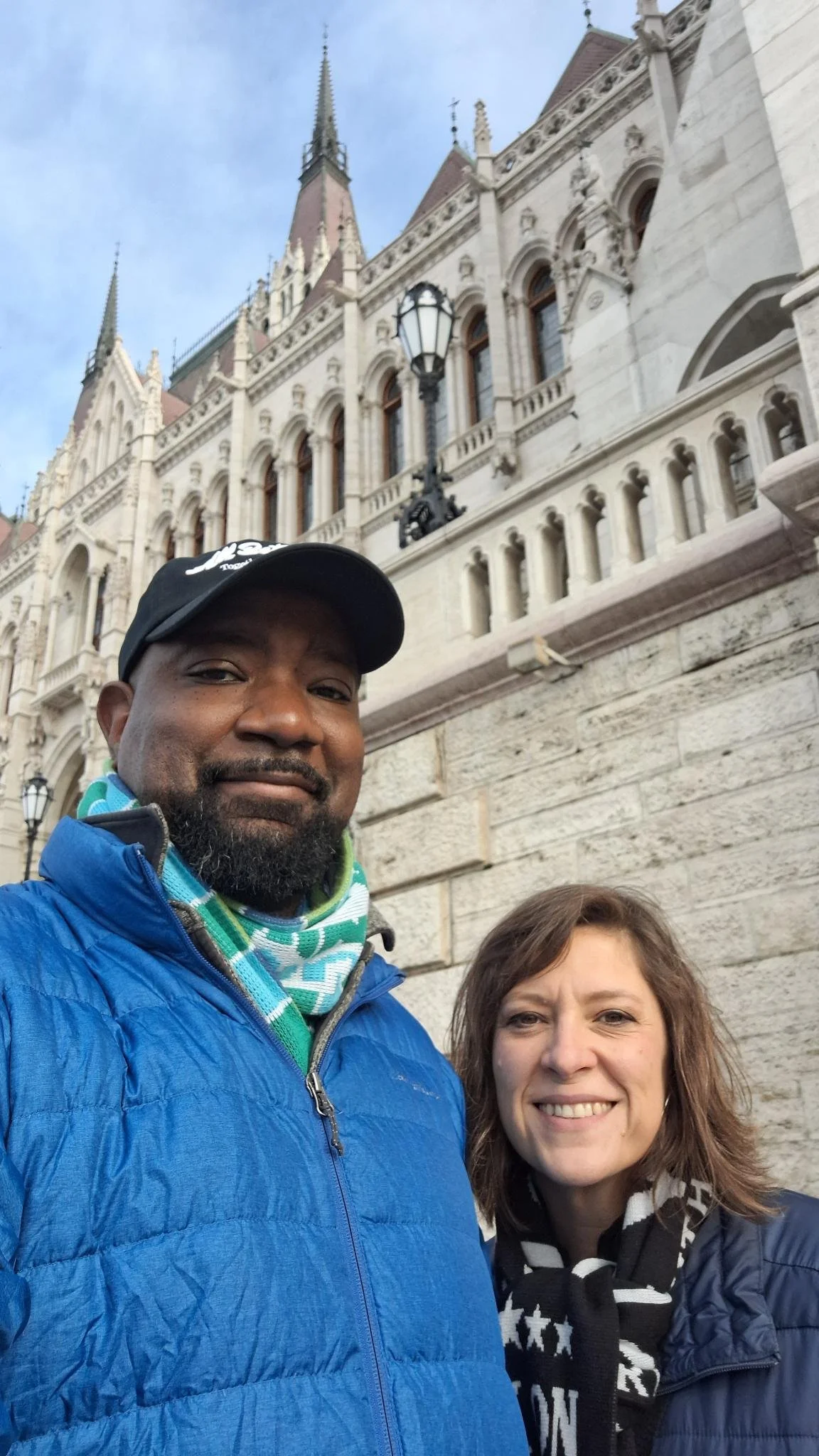
Budapest Passed the Test... and Then Some
First, a note from Nate to his fellow Black Travelers: Being Black means running a quiet risk assessment everywhere you land. Most people will never notice it, but it matters. You watch how people look at you on the train, how service workers respond, how a crowd shifts around you. Most importantly, you worry about your safety. Budapest passes the test. Whatever is happening in Hungarian politics right now, the city itself feels open and unthreatening in the ways that count when your skin color is part of the luggage you carry.

I.
I'd be lying if we told you that we knew much about Hungary going into this trip. We knew it was once under the dominion of the Vienna-based Habsburg dynasty that fell after World War I. We knew it was a communist satellite of the Soviet Union during the middle part of the 20th century, and we knew about the right-wing strongman politics of its current prime minister Viktor Orbán.
That is not entirely true for Hope. She had been here before for a conference, but she had not gotten as much time as she wanted out in them streets.
Beyond that limited exposure, the country was largely a blank slate for both of us. Although that is not exactly right either. Hungary was one of the first places where Nate heard about a Black American living abroad and thriving. “Todd in Budapest” was an irregular correspondent on the Chicago-based podcast This is Hell, and we (mostly Nate) had listened to his dispatches from the city over the years.
II. The Slightly Scholarly Stuff
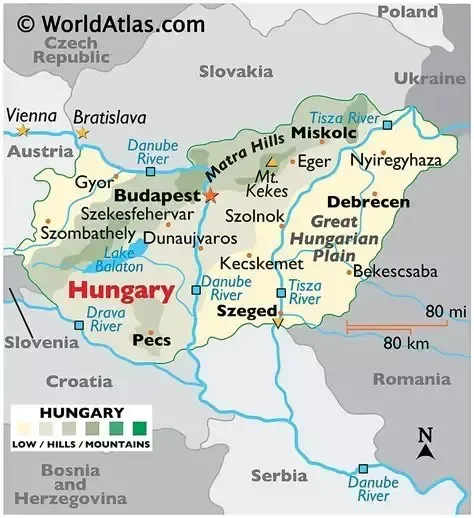
Geographically, Hungary sits in the lowlands below the Carpathian Mountains, and Budapest is bisected by the Danube River. The country is bordered by Austria, Slovakia, Ukraine, Romania, Serbia, and Slovenia (clockwise from west to East)
The Hungarians, also called Magyars, are not indigenous to the area. They came from east of the Ural Mountains and arrived in the 800s, displacing various Slavic tribes. They were later invaded by the Mongols in 1240, then the Ottomans, then the Austrian Empire. After World War I, Hungary briefly had a Communist government in 1918, which was overthrown by Nationalists. They were toppled by the Nazis, who were overthrown by the Soviet Red Army, which controlled the region until 1991.
Phew.
III. The Good Stuff and a Tangent
We departed from DXB on an ill-advised red-eye flight that landed us in Budapest at 1:30 in the morning. We know we are too old for red-eye flights, but for reasons that rhyme with being sheep we continue to do this to ourselves.
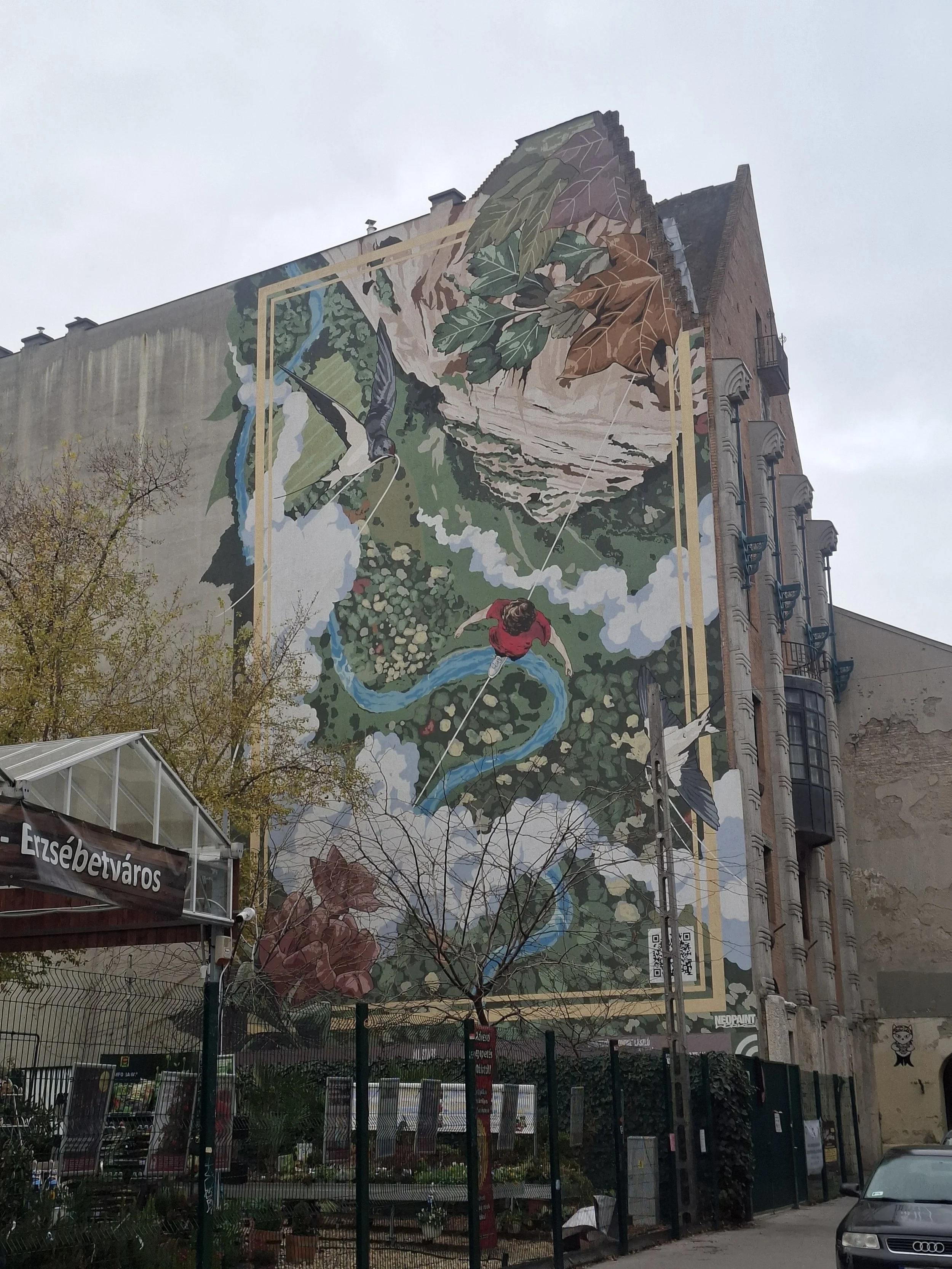
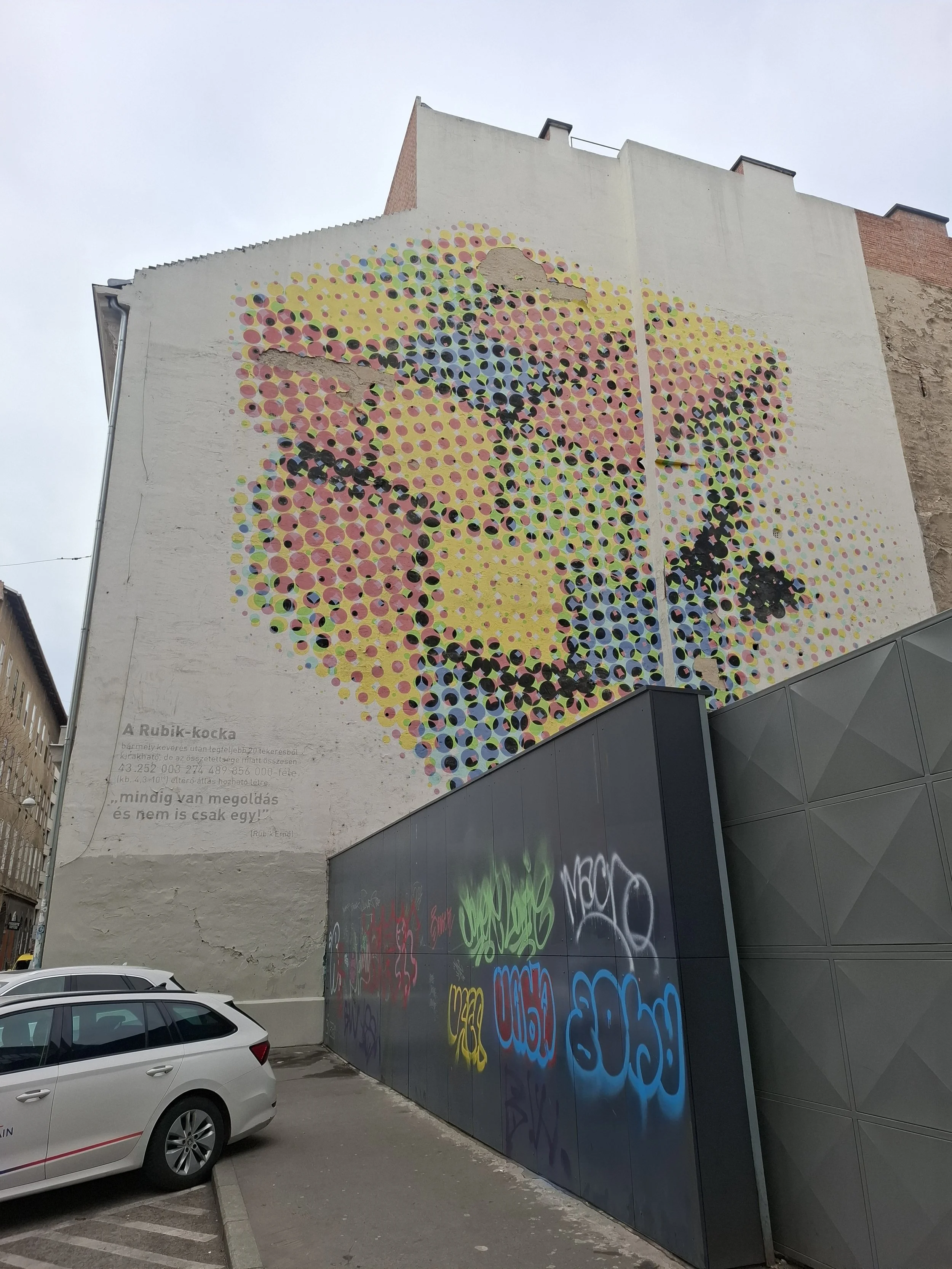
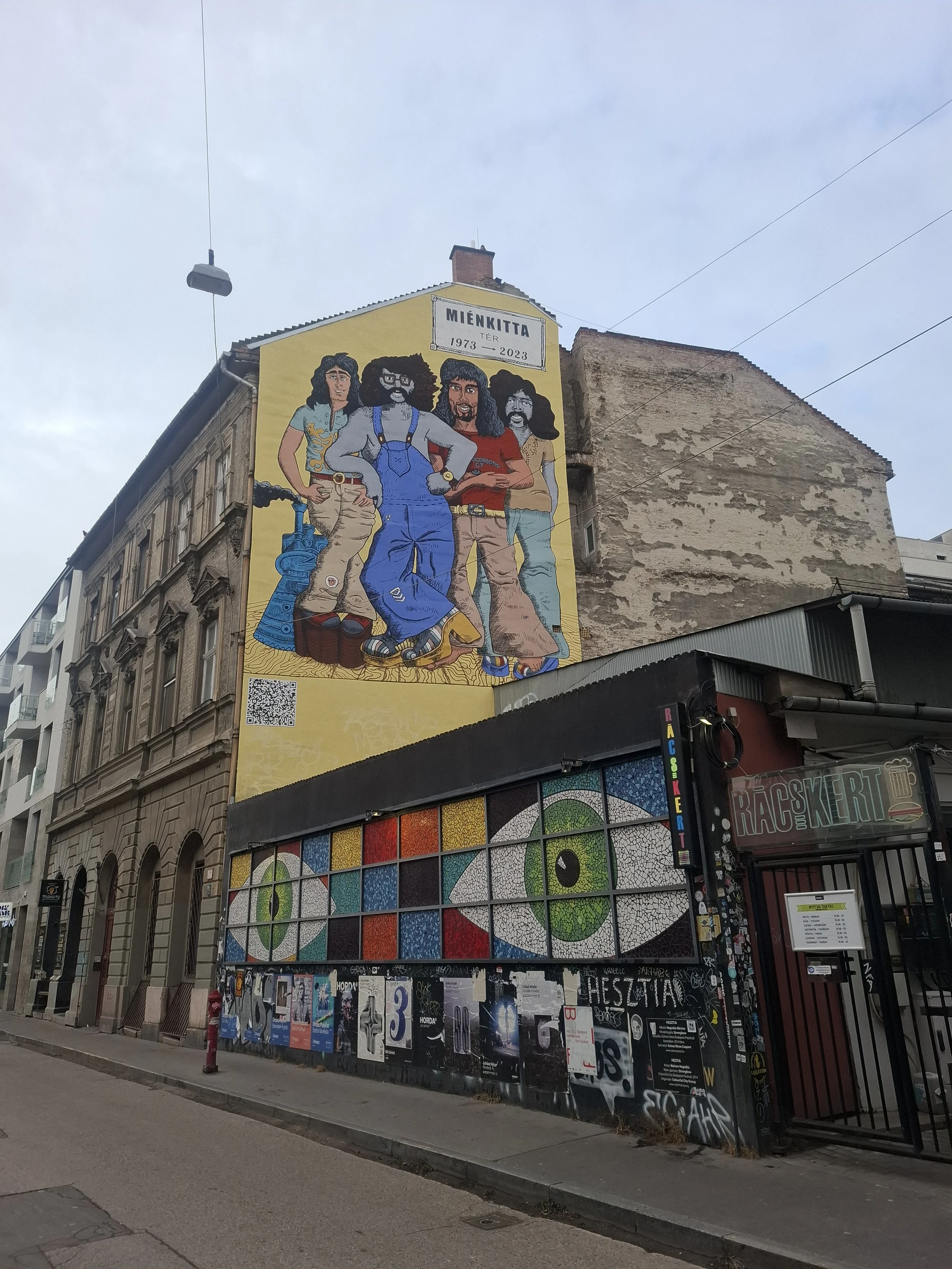
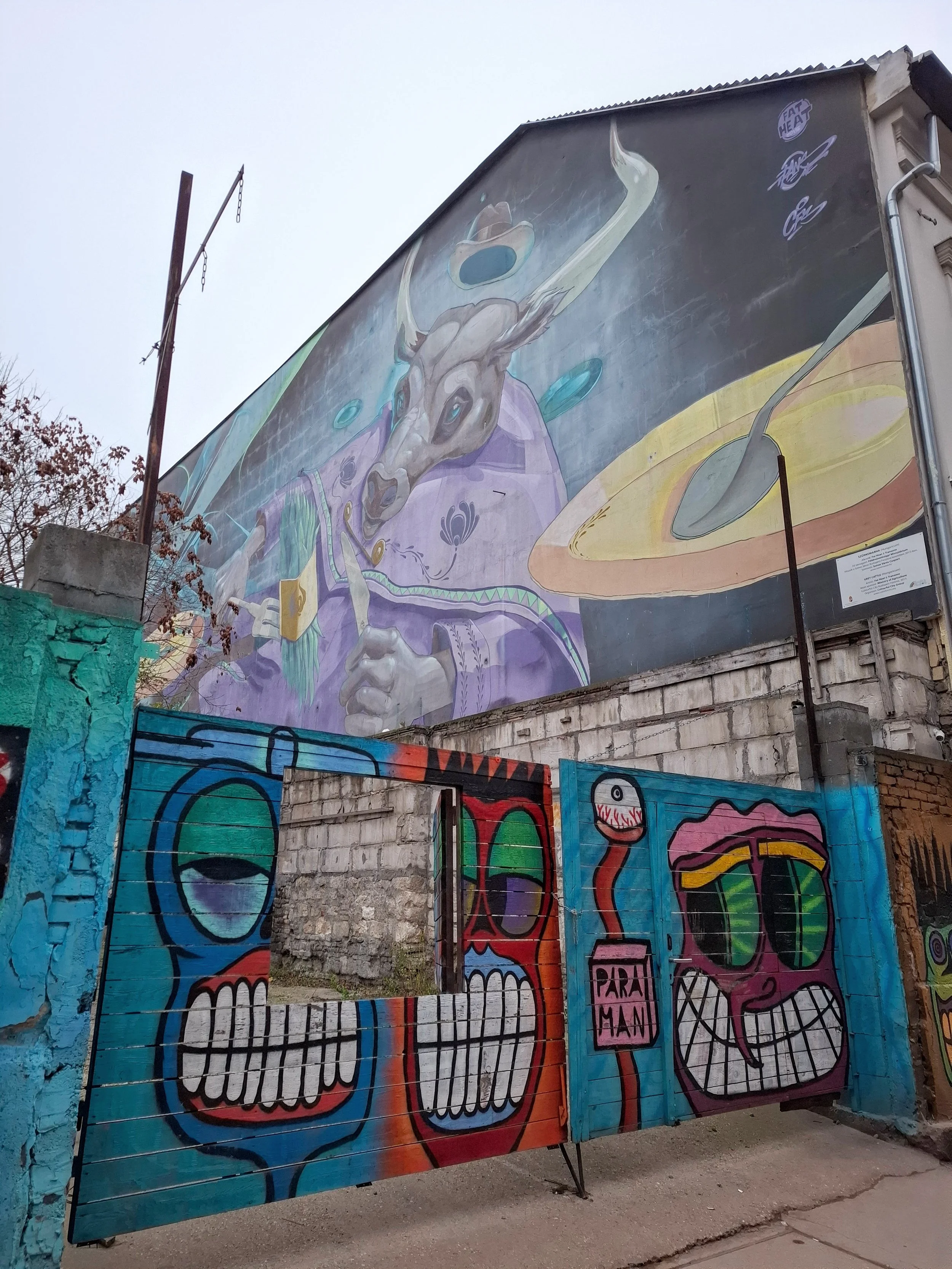
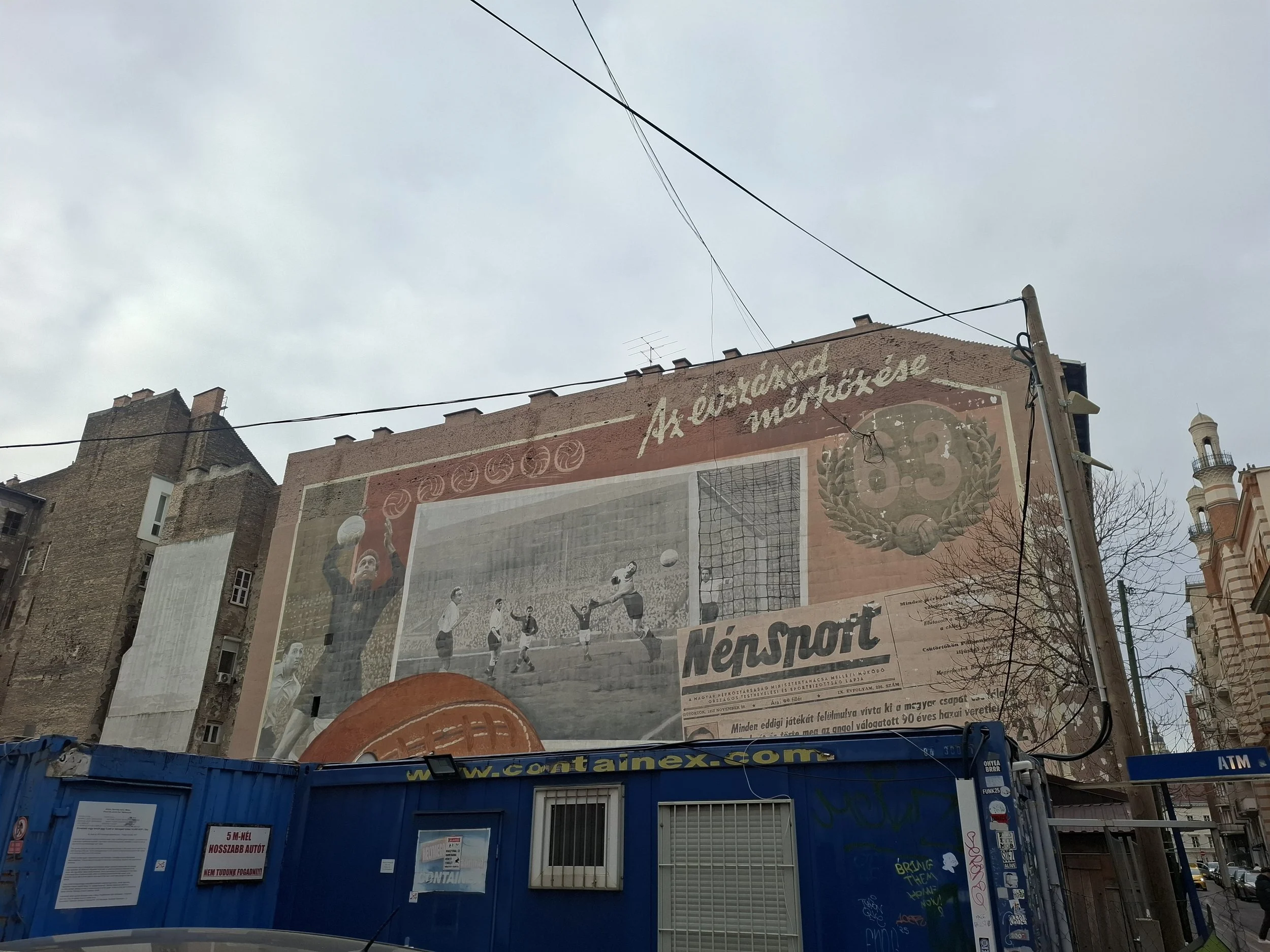
We rented a room in the Jewish Quarter of town and used it for our point of embarkation for our adventures. In the Jewish Quarter there are monuments and markers to the forced deportation of Hungarian Jews during the Holocaust around the city. But they all take on a passive voice, avoiding the complicity of local authorities and officials. Nate compared it elsewhere to the passive-exculpatory or past-exonerative tone US media often grants police. The state’s narratives largely deny the country meaningful agency, instead treating Hungary as a passenger on the train of European great powers history.
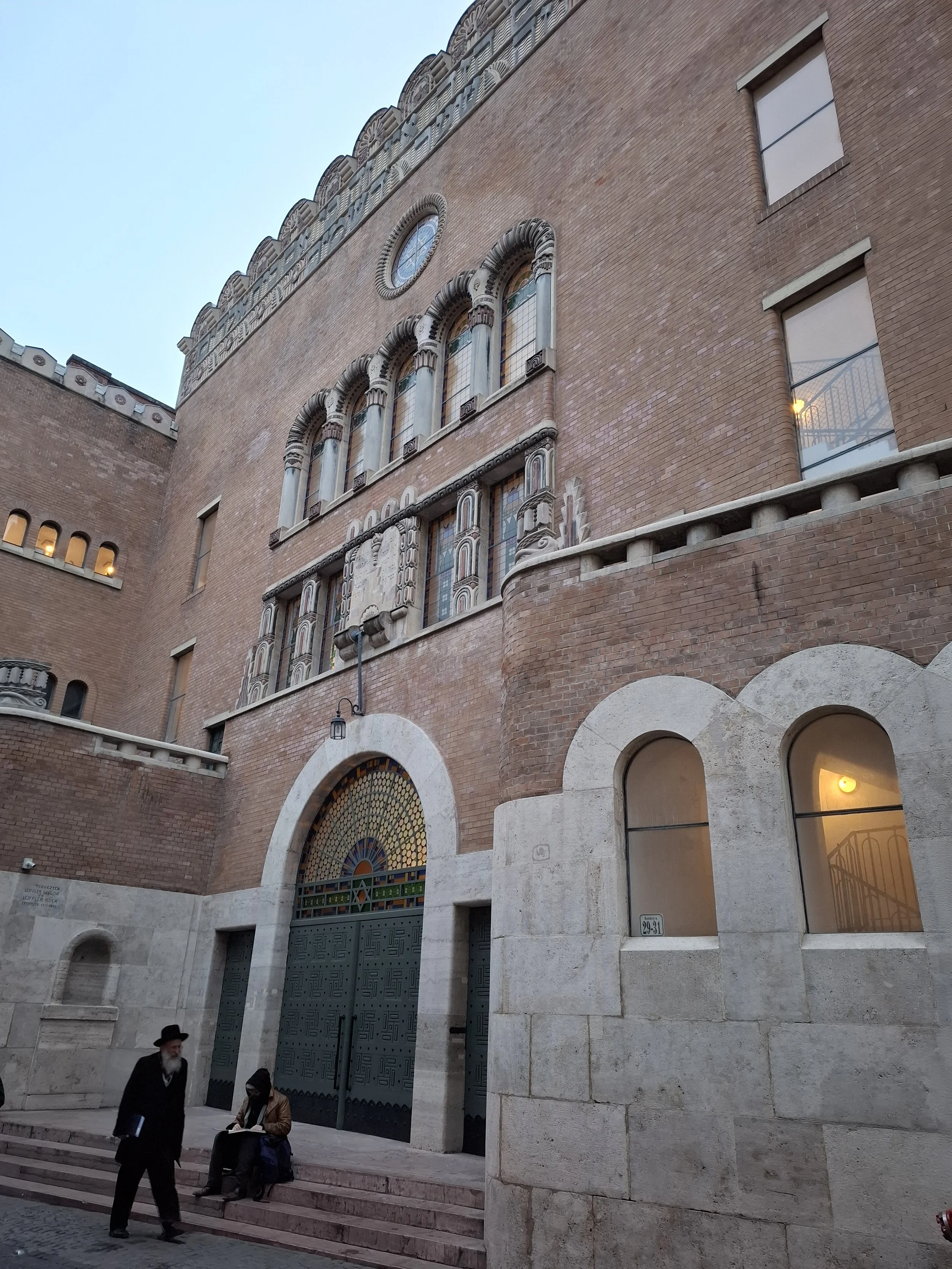
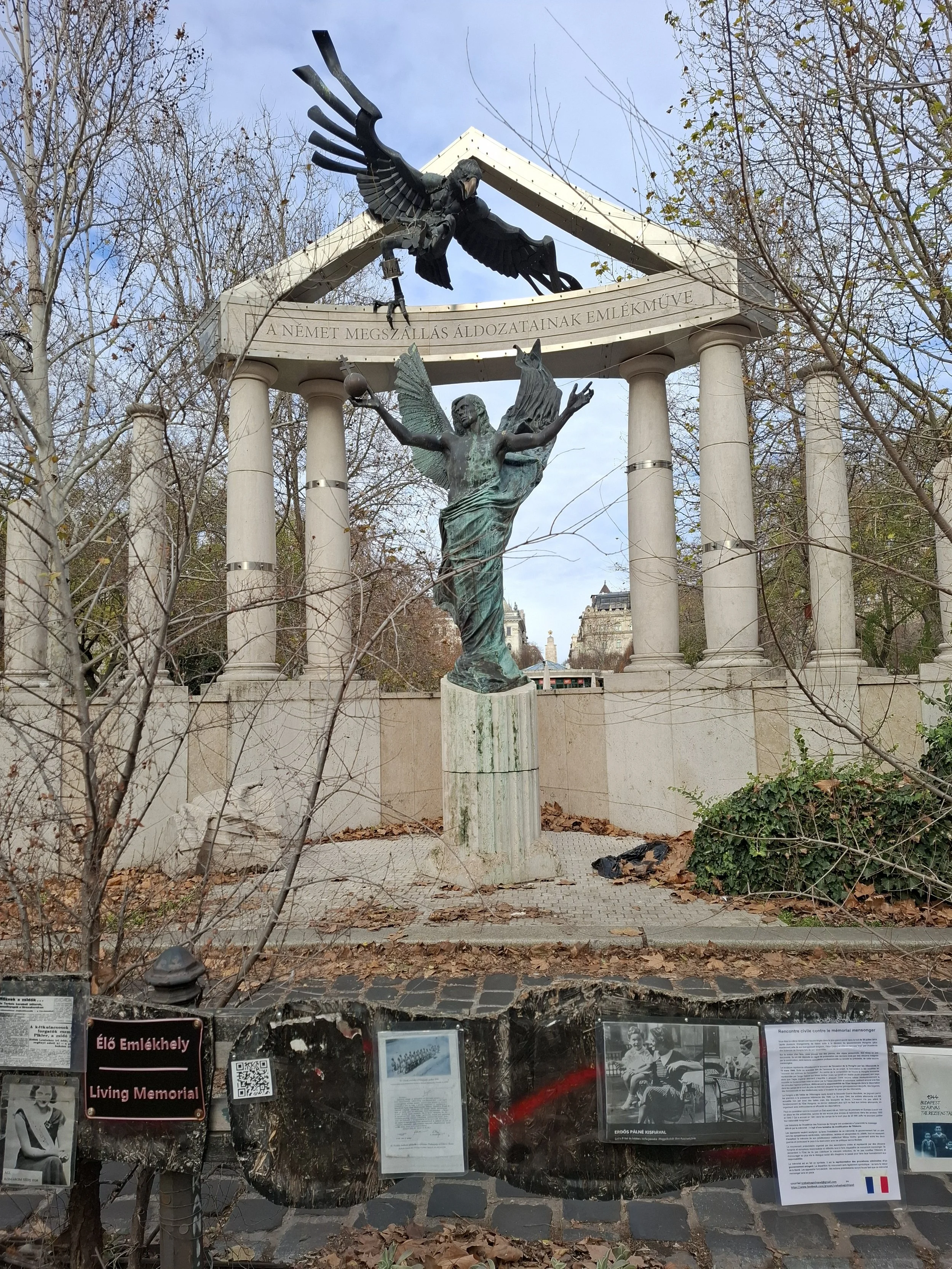
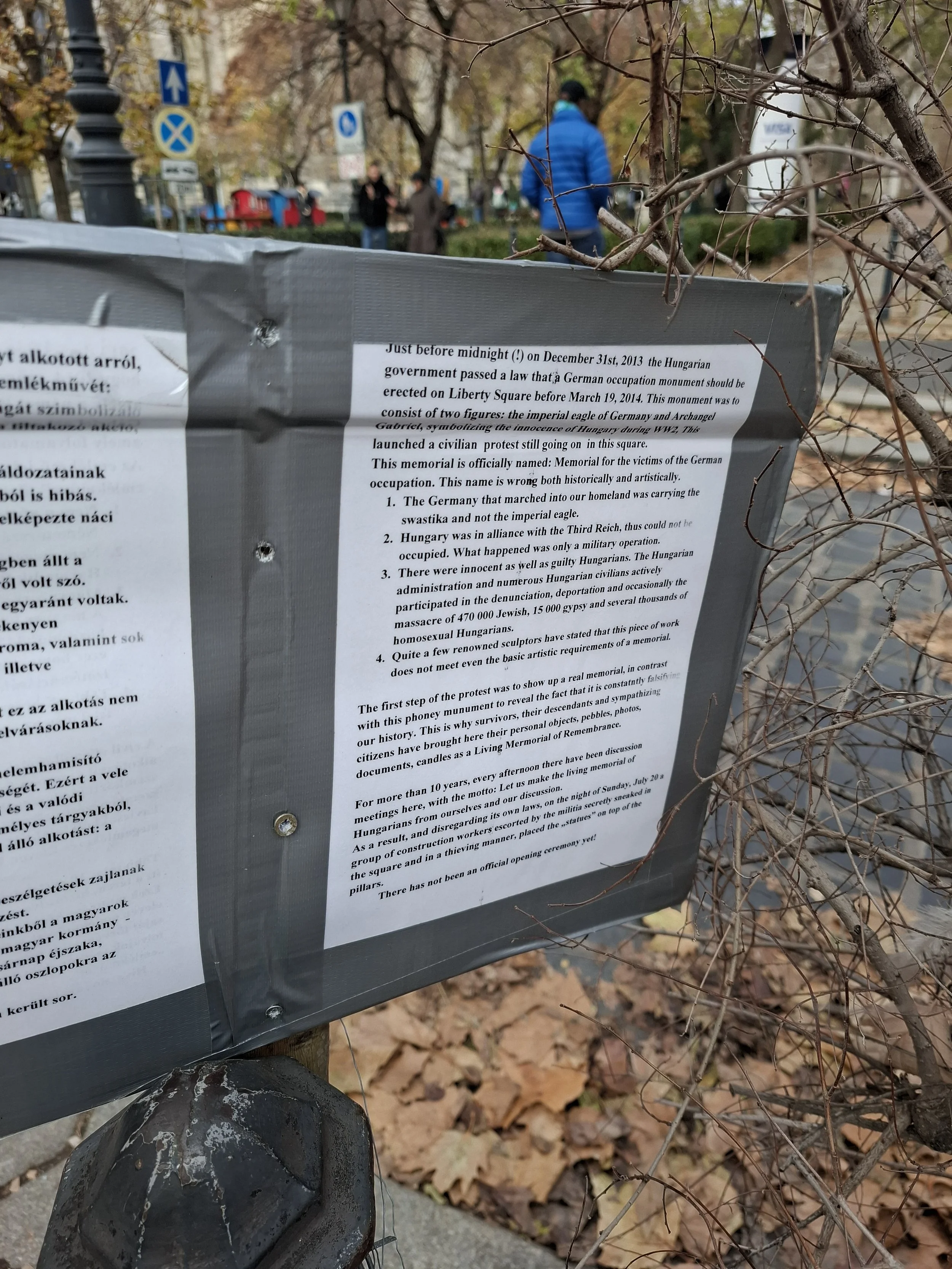
This stuck in our craw during our time in the city because of events back home.
We should not absolve collaborators for the terror they enable. Museums in Vietnam are exemplary in how they tell the story of Diem and other collaborators, and how their actions enabled occupiers and prevented the country’s unification. When all of this tragedy is over, we want the Lindsey Grahams, the Marco Rubios, and all the enablers who knew better the entire time to be named and shamed for the rest of their lives.
They should live out their remaining days in infamy.
IV. Back to Our Regularly Scheduled Programming
One of the first things we learned is that Budapest is actually two cities. Buda is the administrative side of the Danube, where the Prime Minister and President’s offices are, along with forts and churches from days of yore. We stayed in Pest, pronounced “Pesht,” where Parliament and the Jewish Quarter are located. It is more or less ground zero for nightlife. The two sides are connected by a series of bridges that had to be reconstructed after the Nazis destroyed them while trying to slow the Soviet advance during World War II.
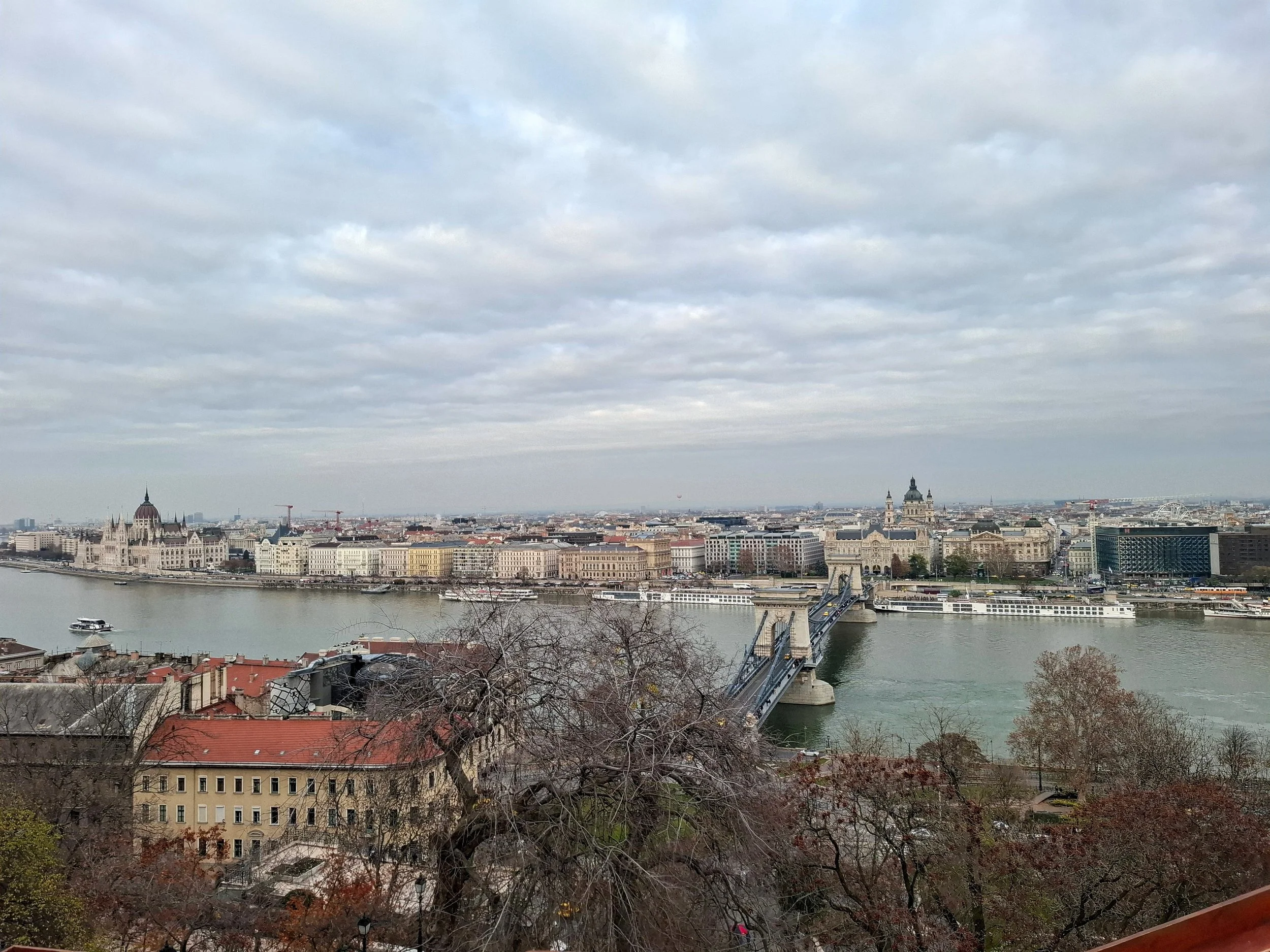
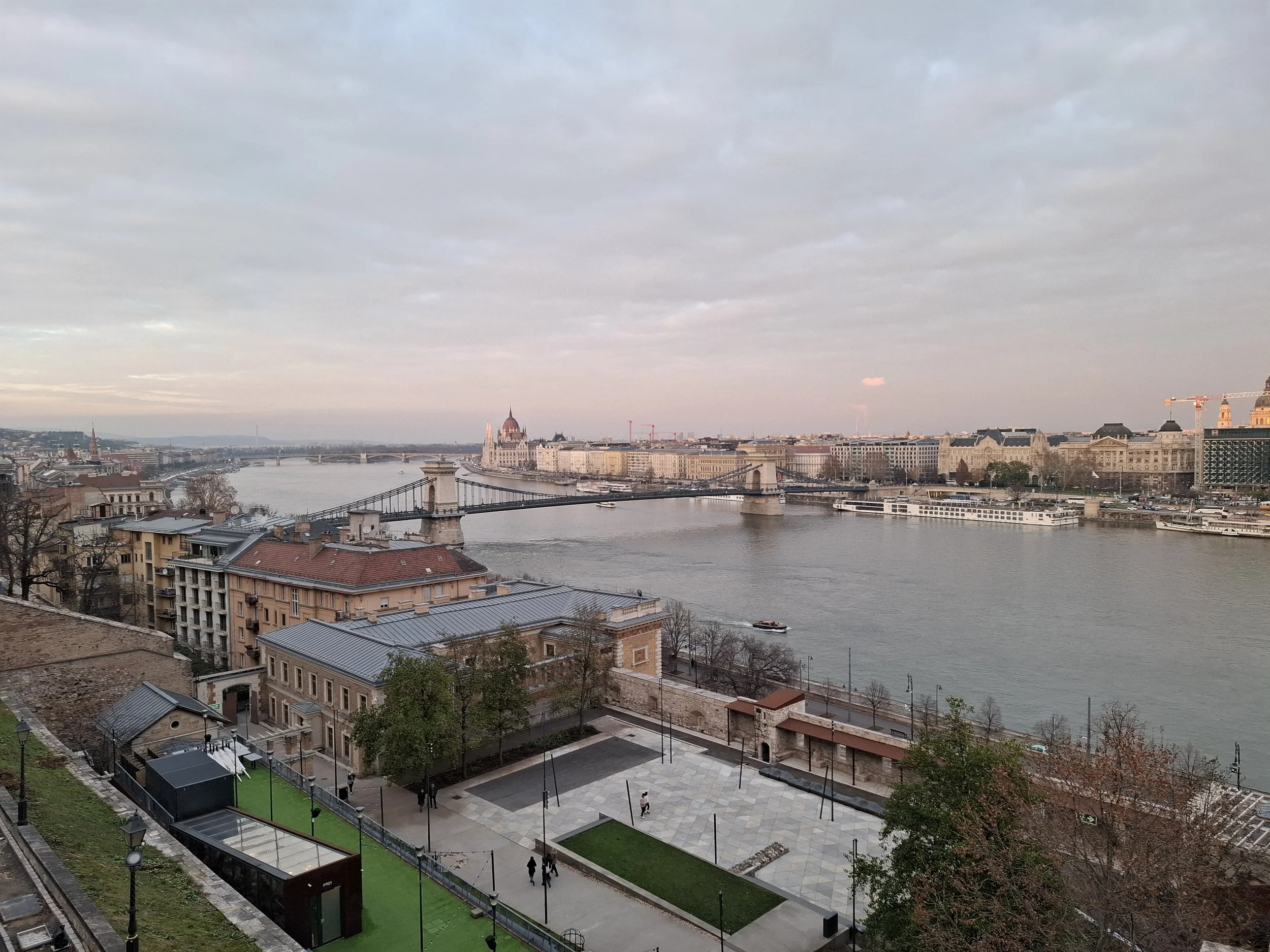
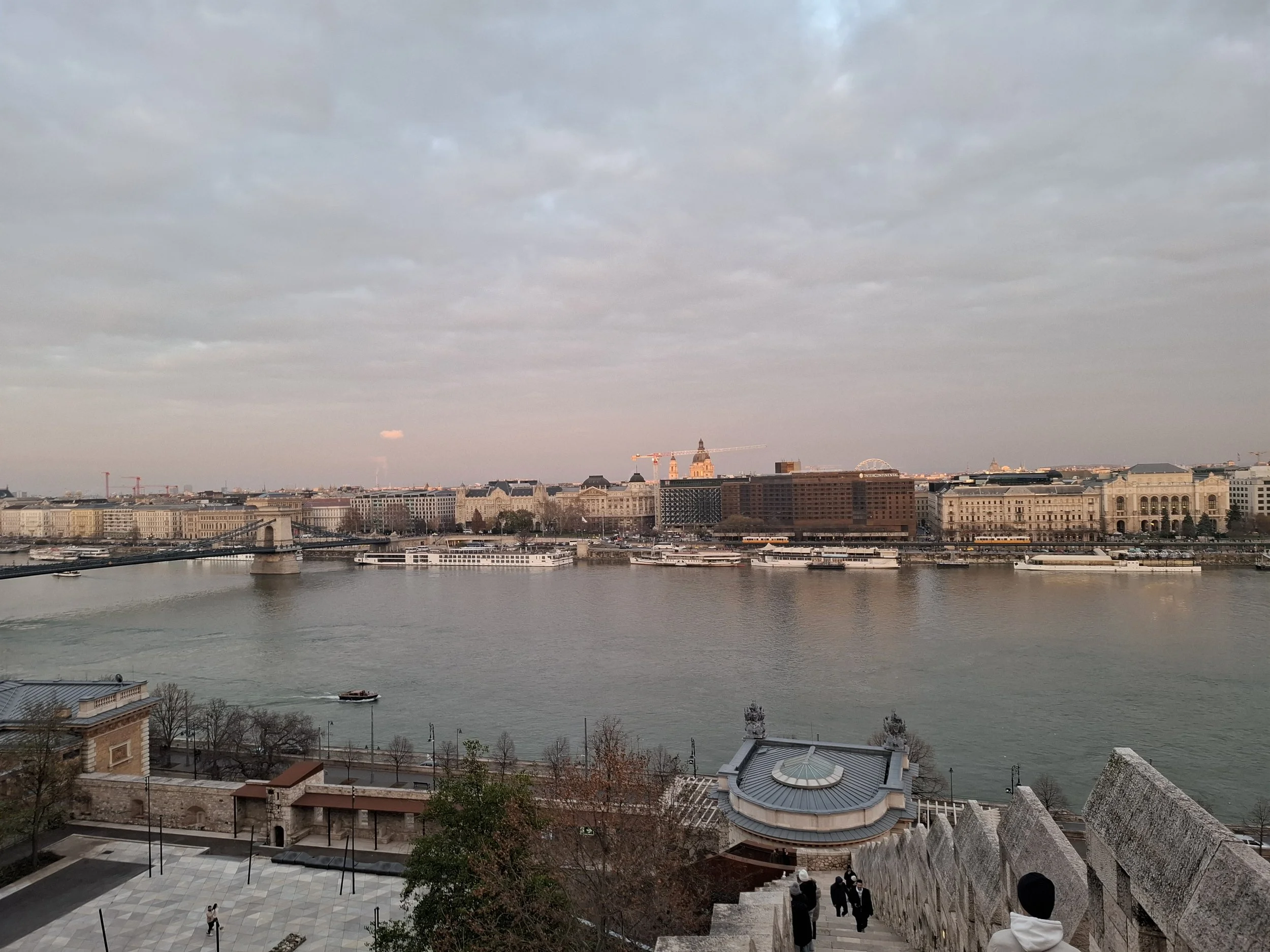
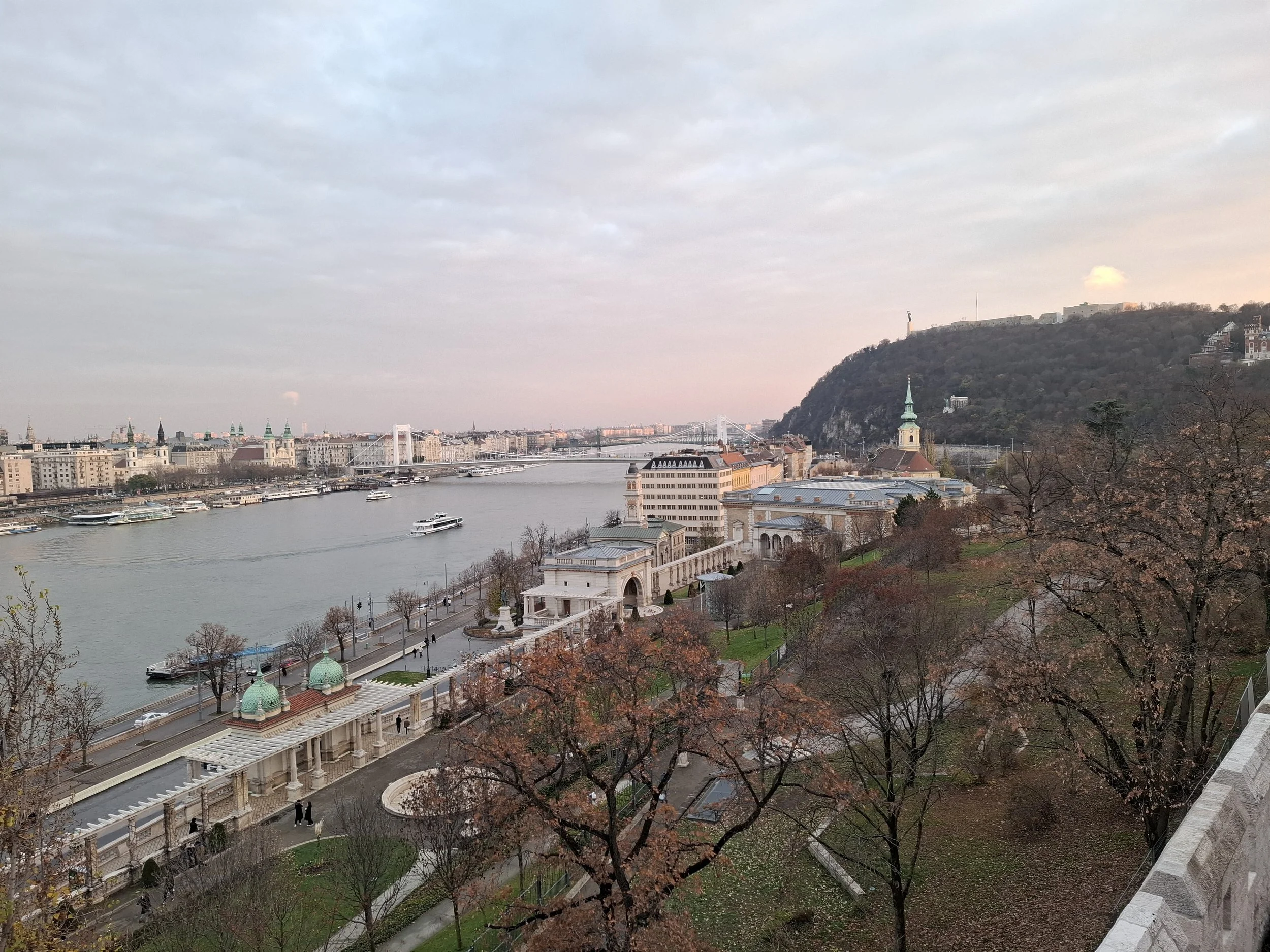
We hit the streets around 10:00 the next morning for a walking tour, where we learned the history of invasion and occupation we recounted above. We never thought we would become “walking tour travelers”, but this was one of the best tours we have experienced.
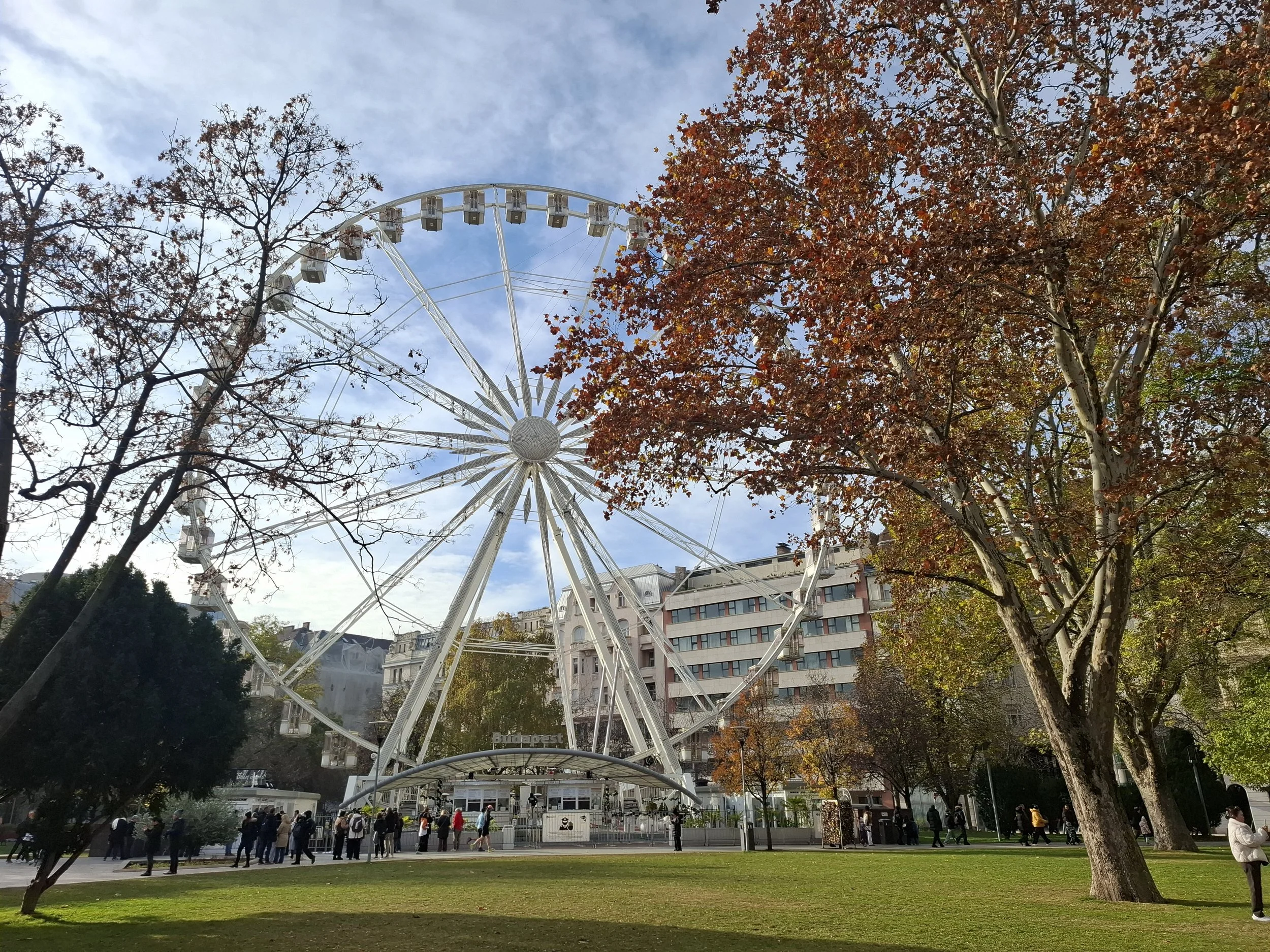
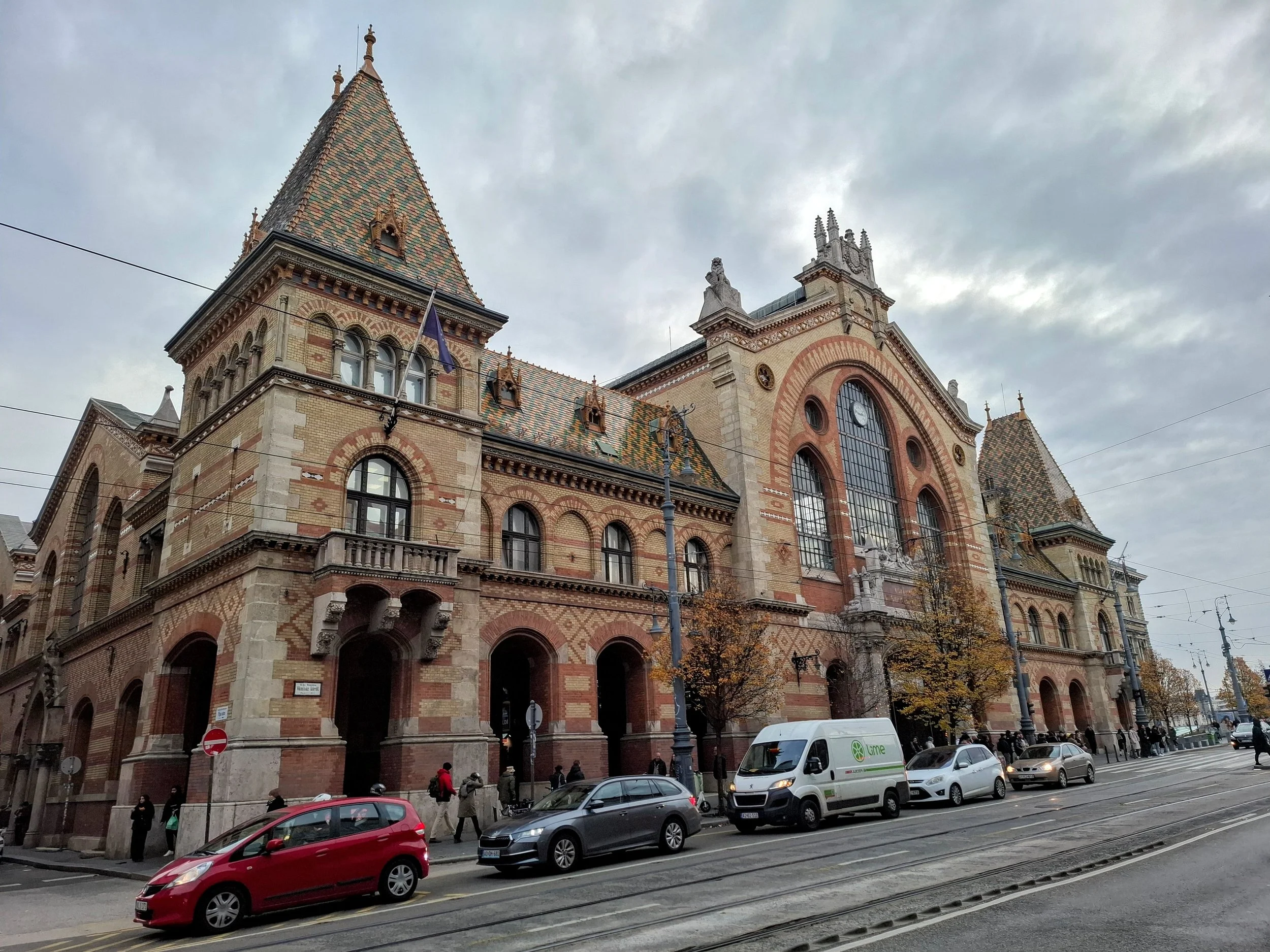
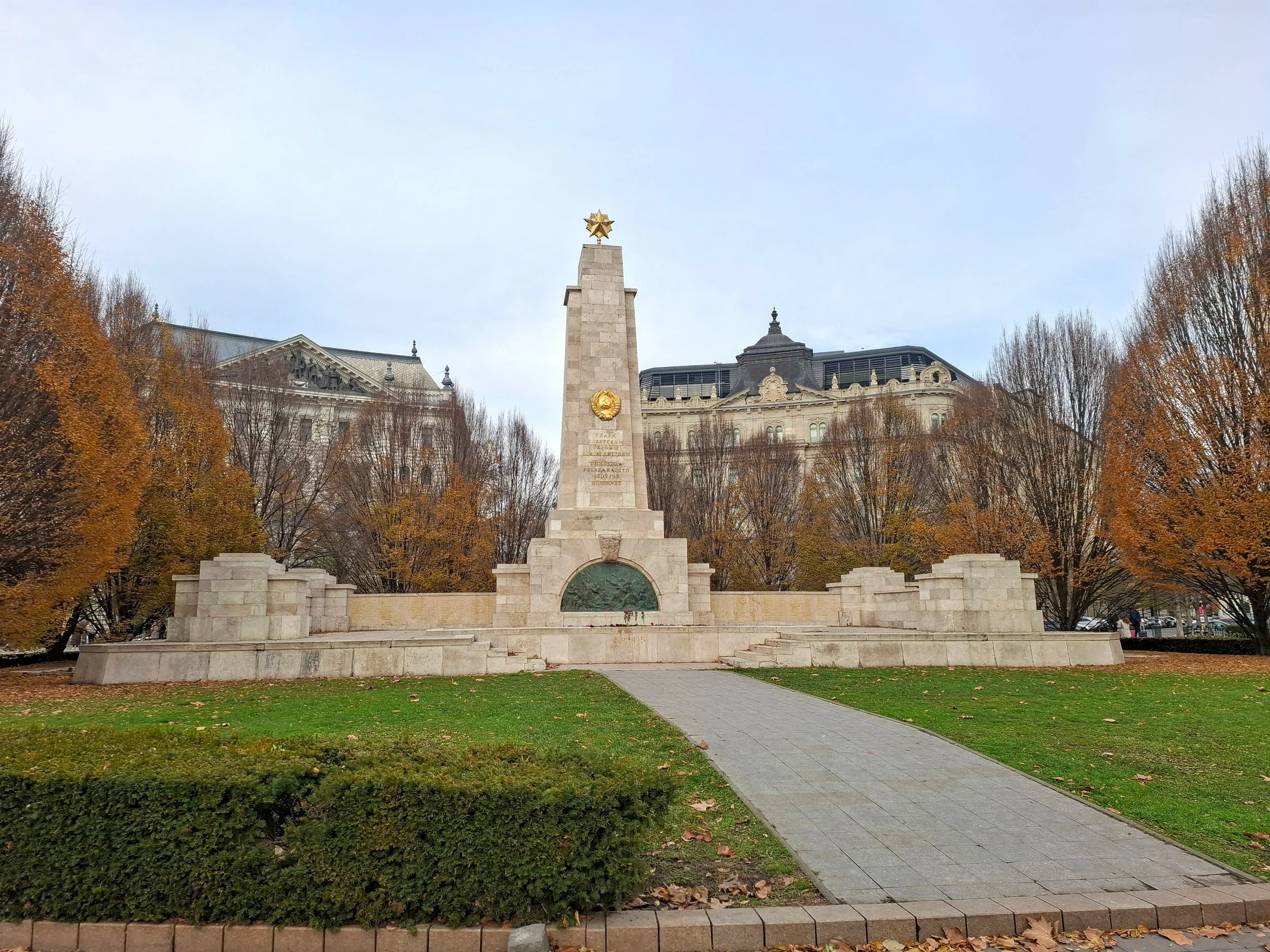
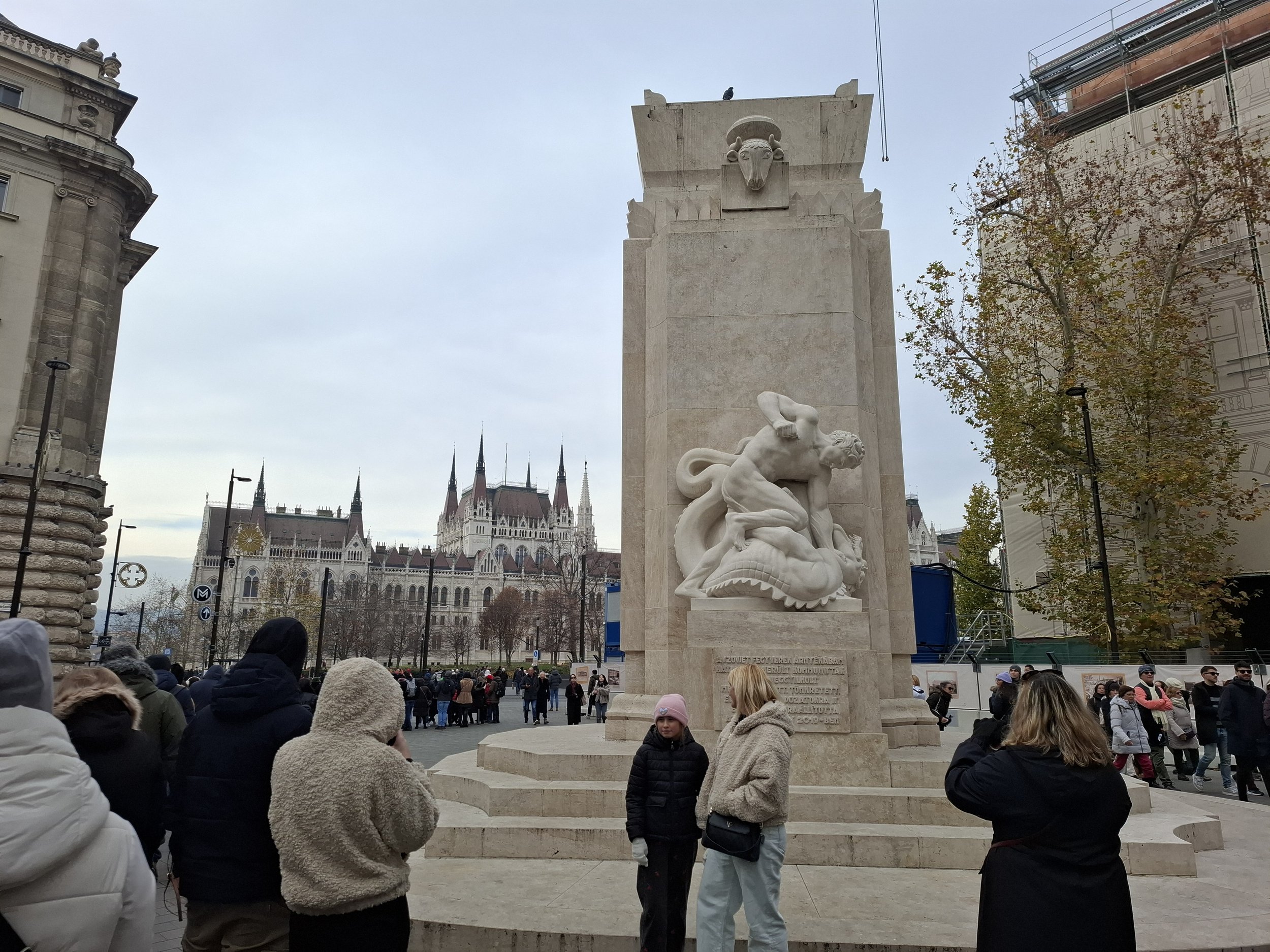
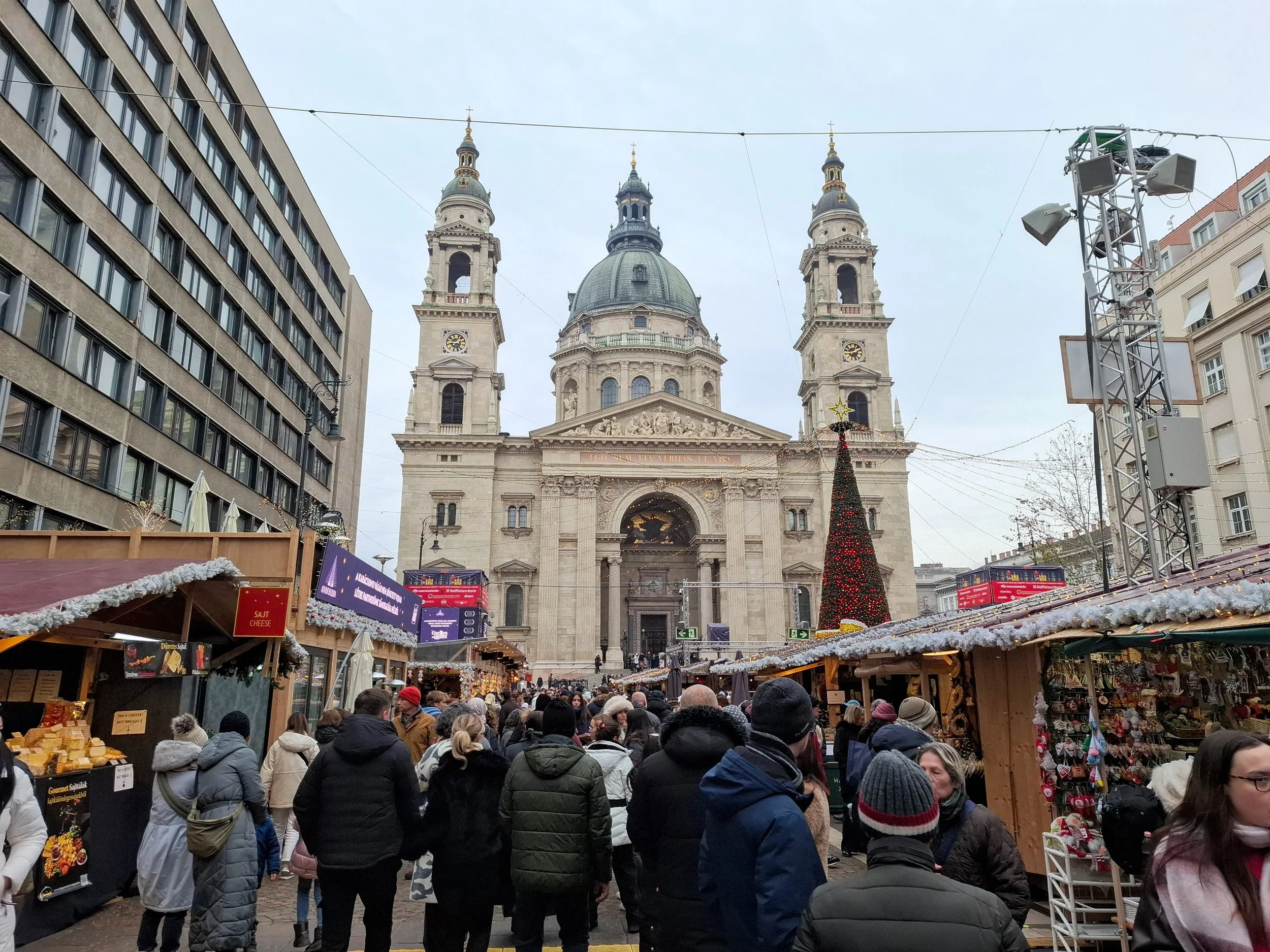
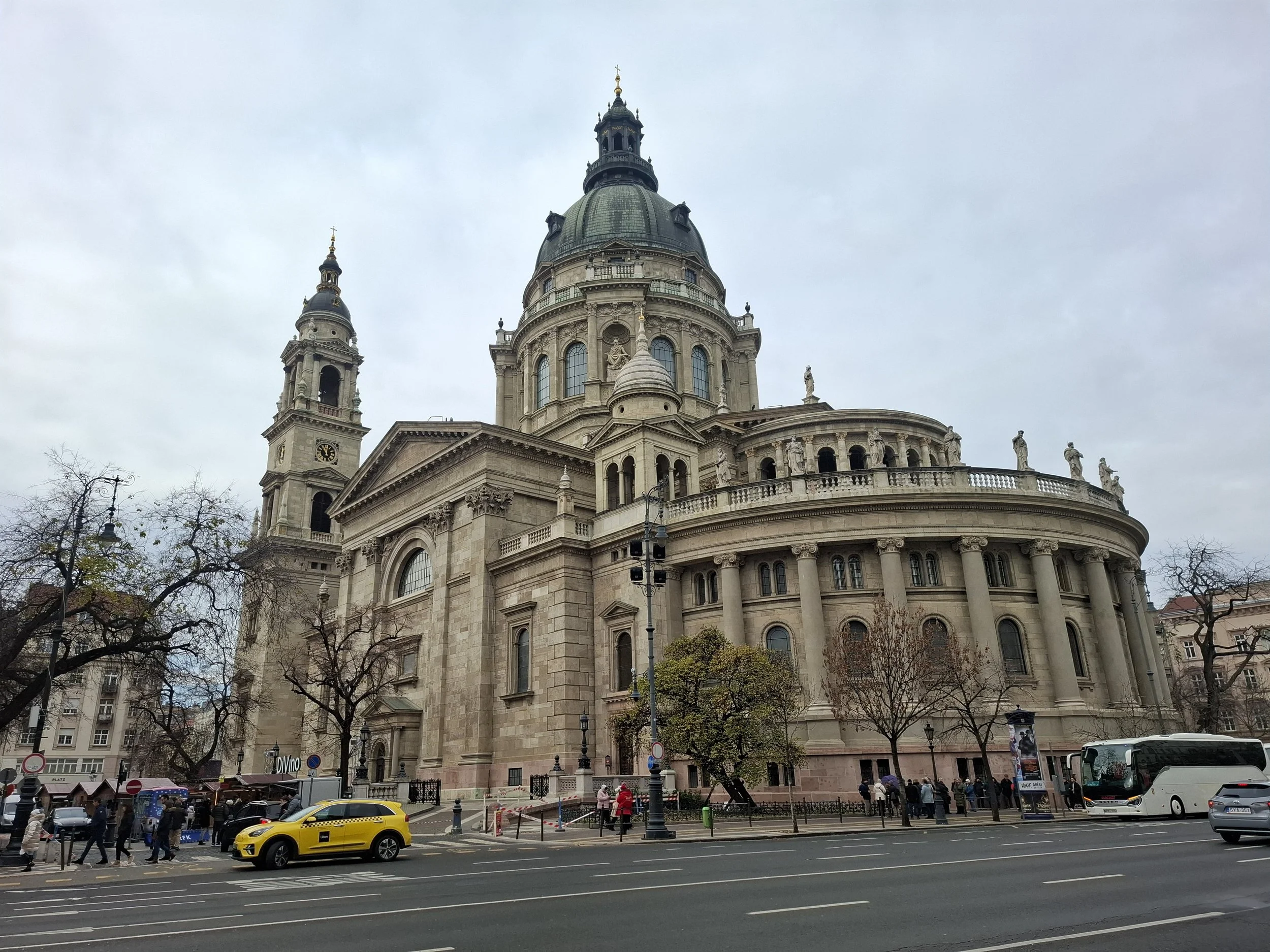
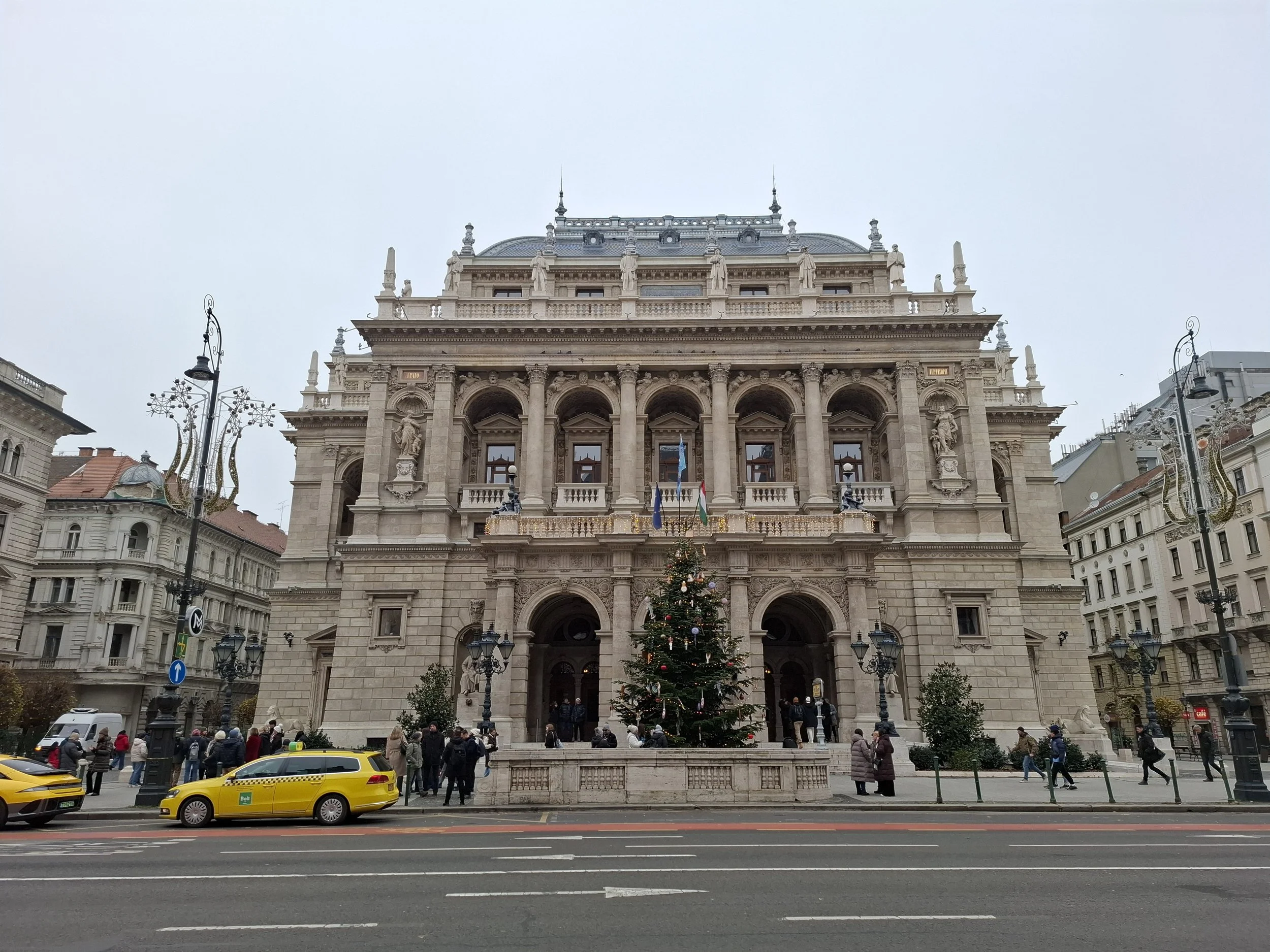
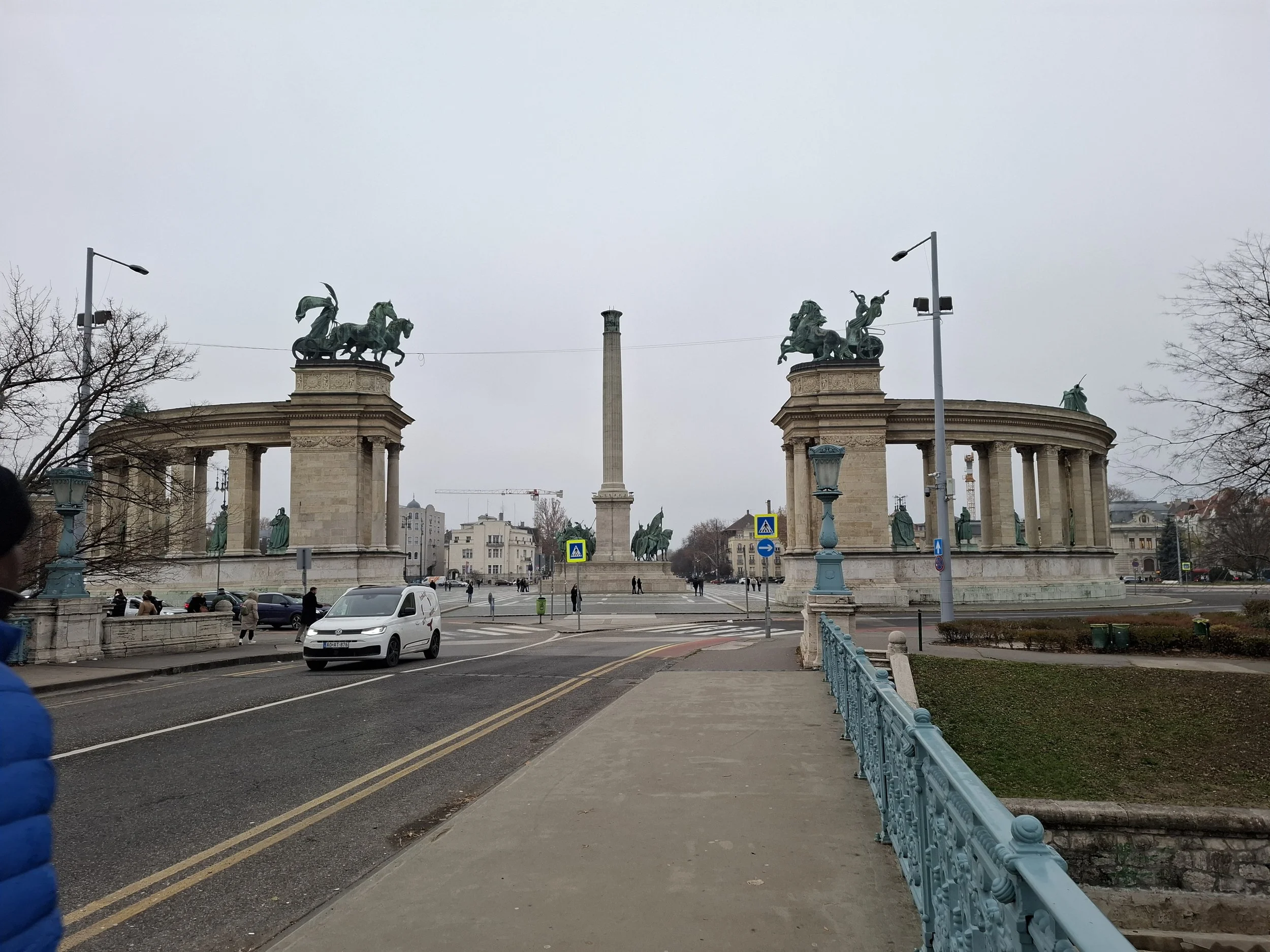
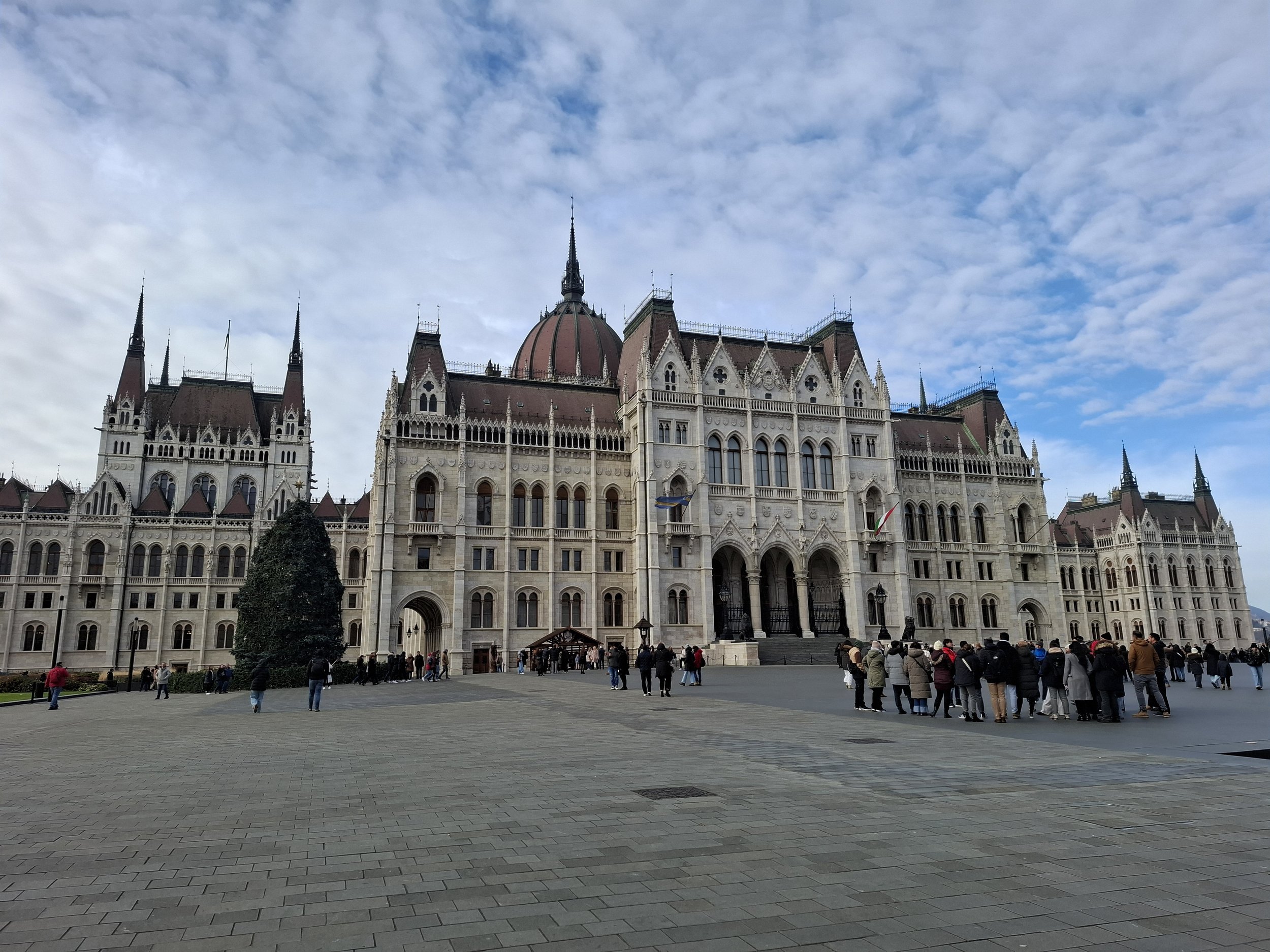
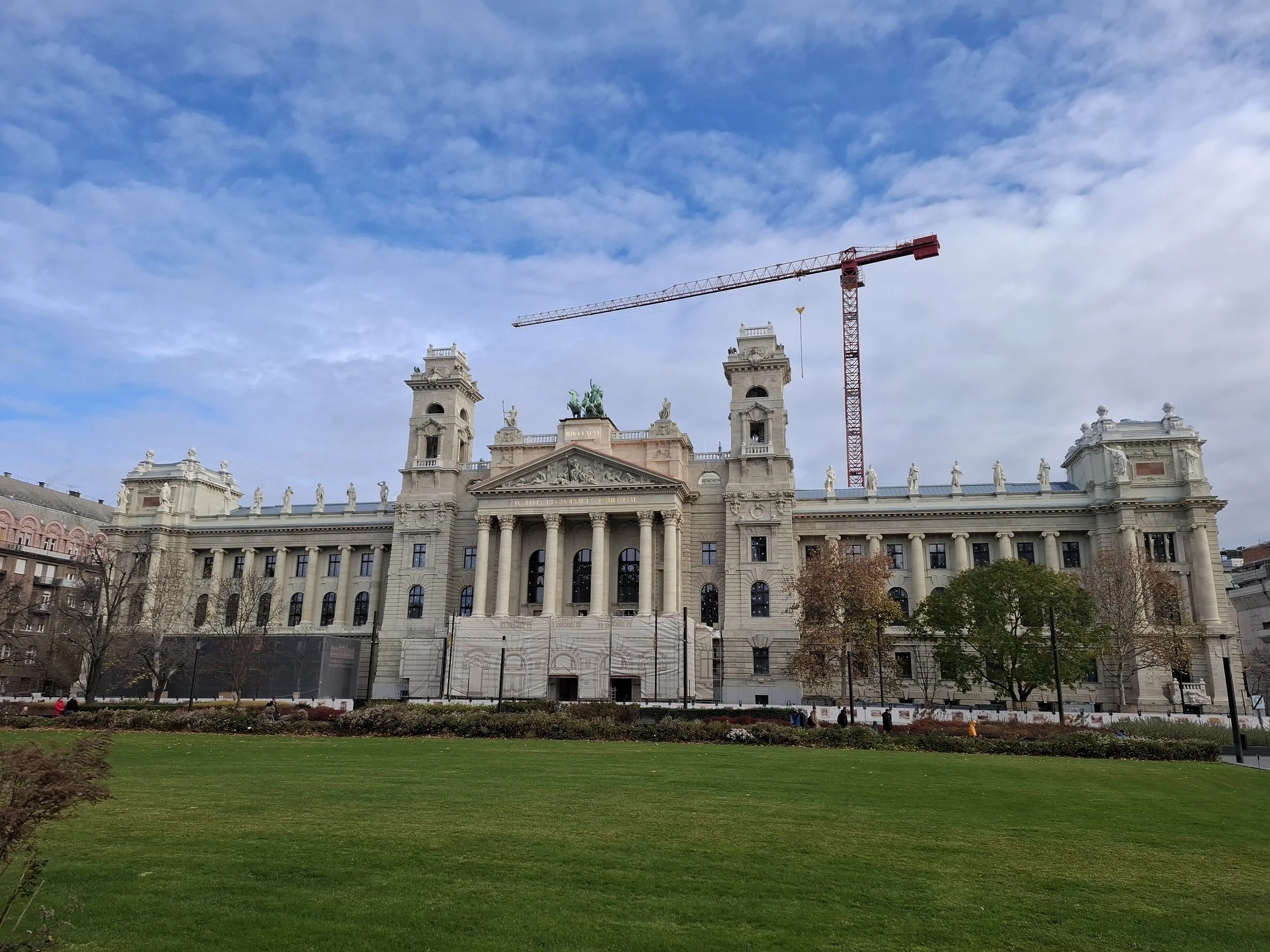
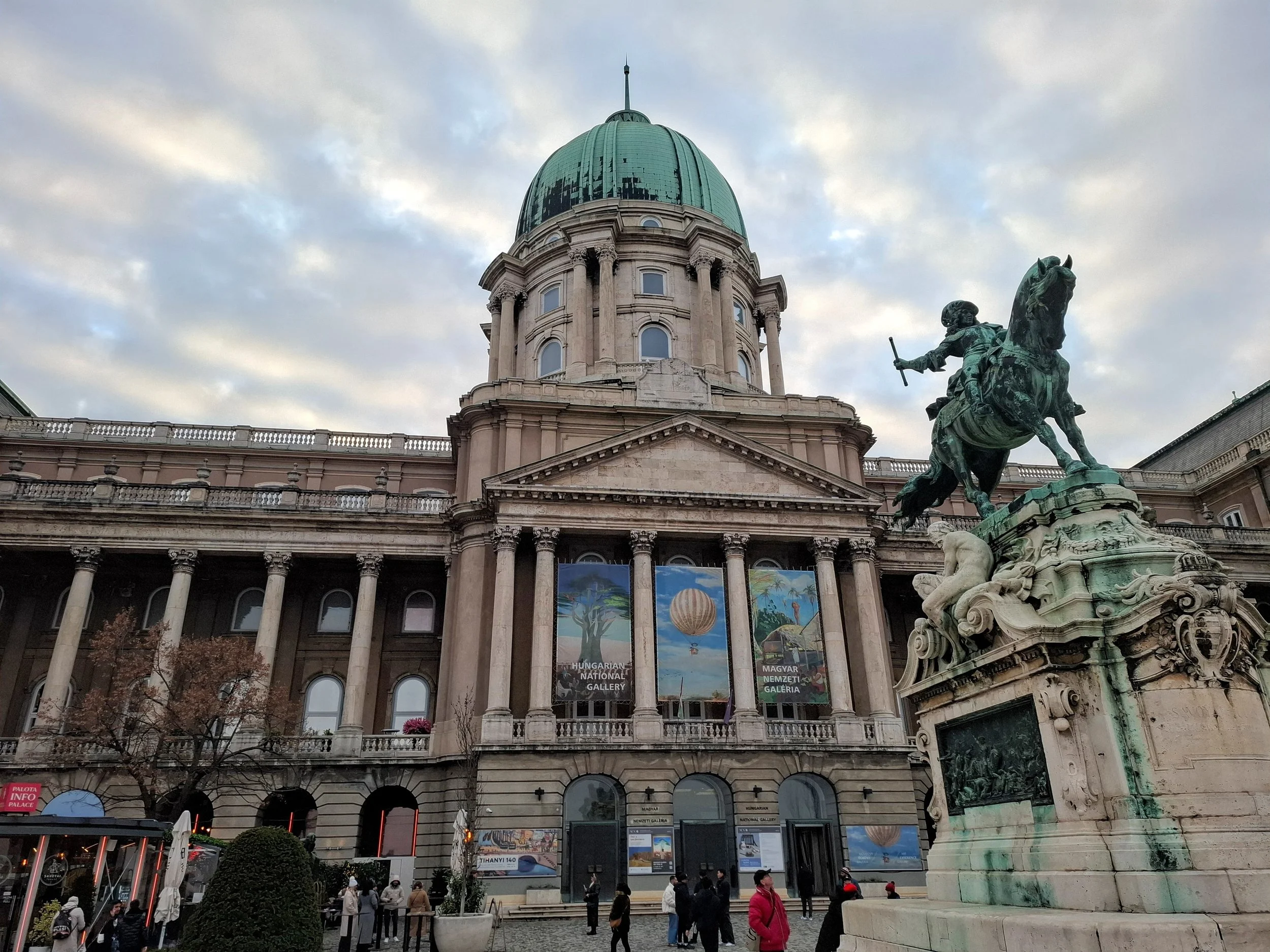
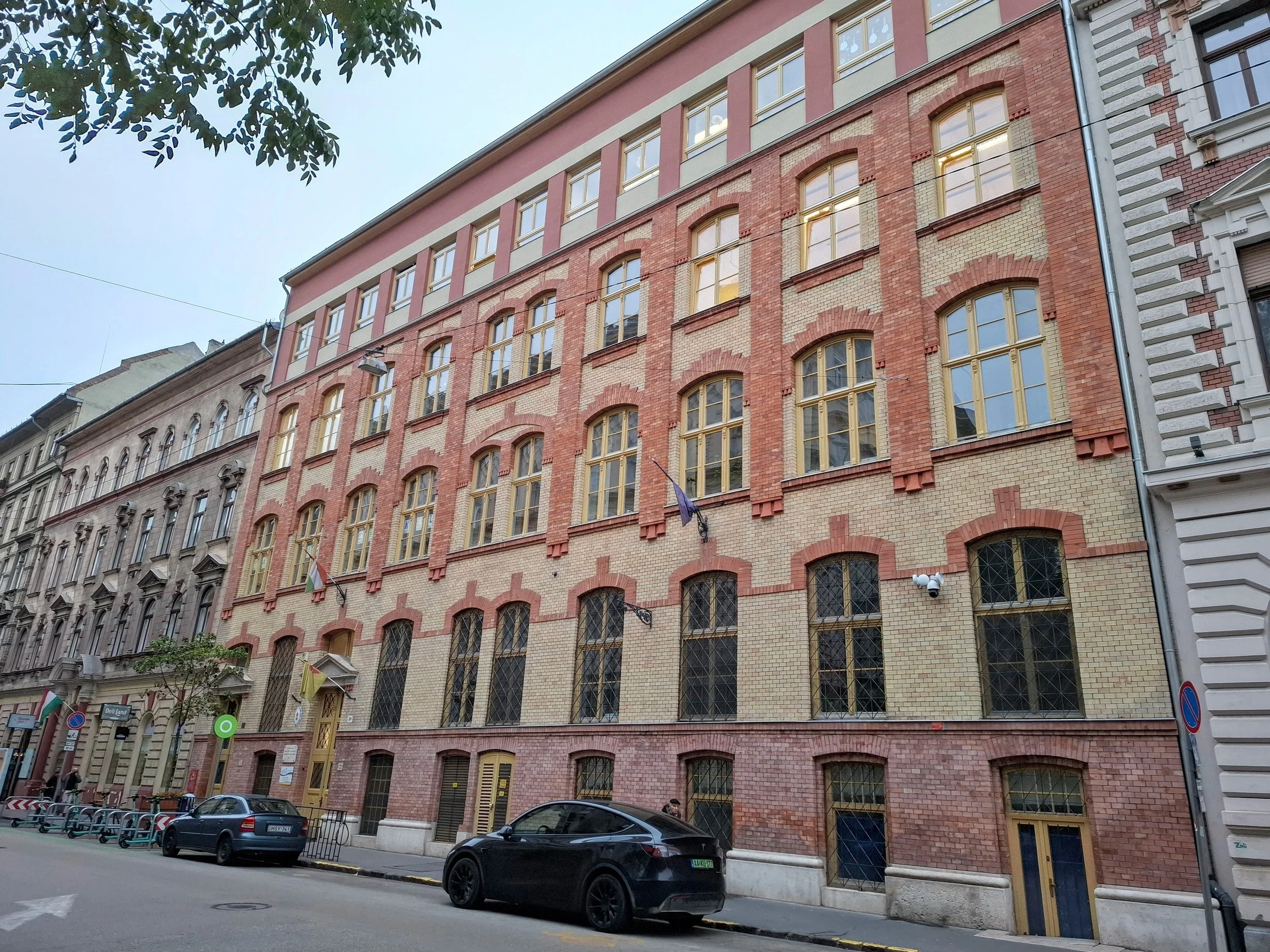
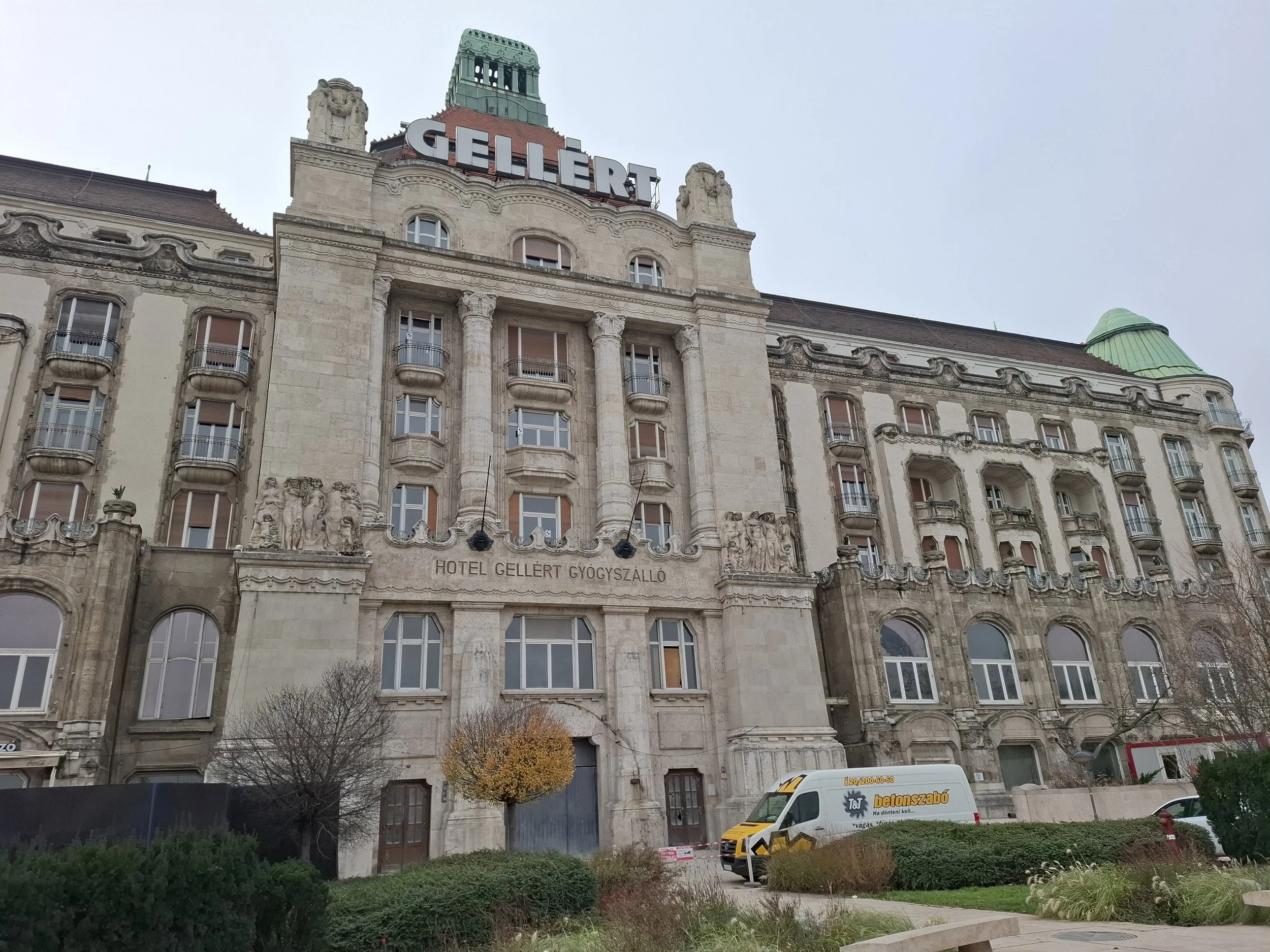
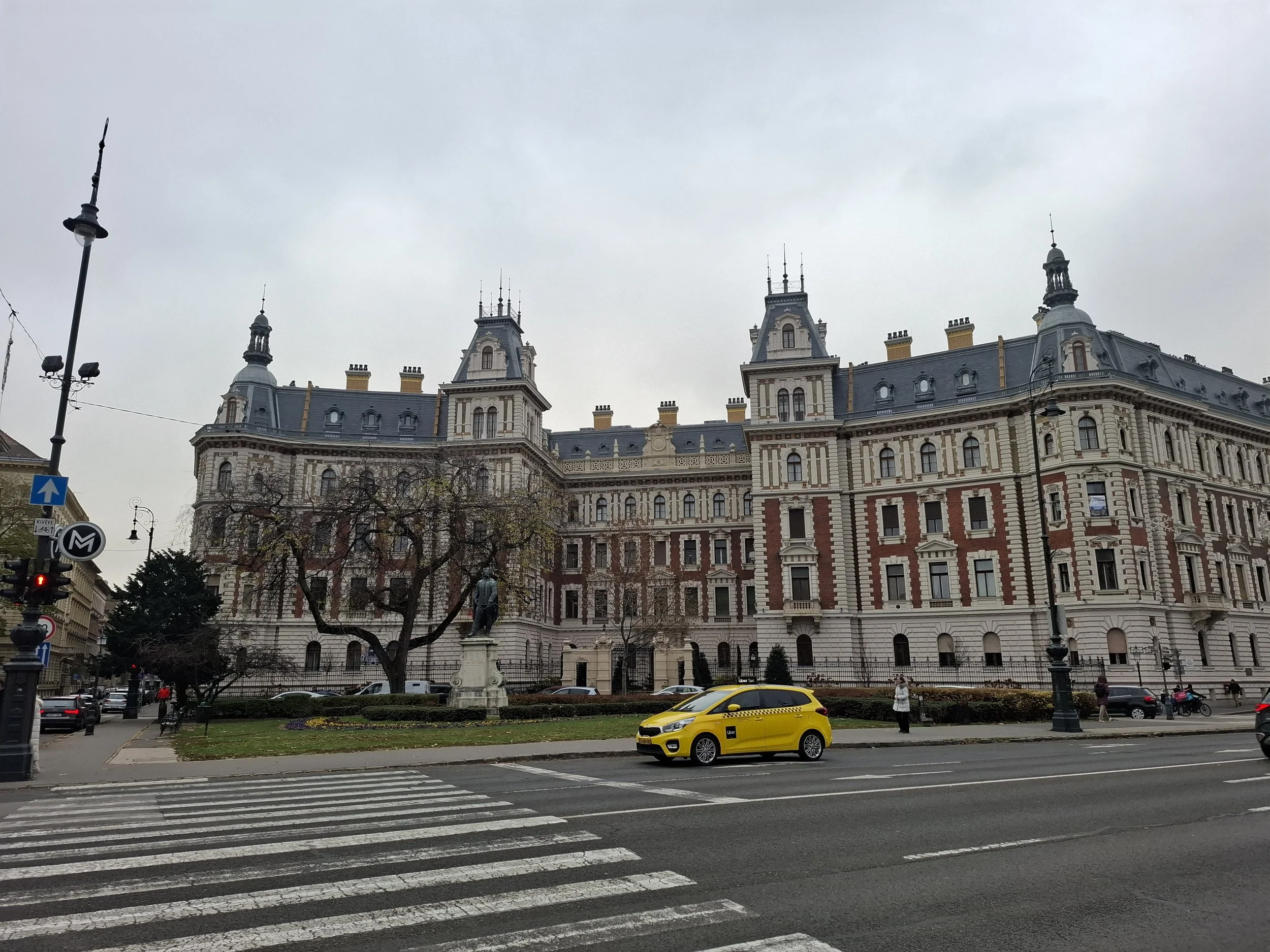
We spent the next four nights slumming around town and eating embarrassing amounts of goulash and paprikash. The architecture is breathtaking. Some of the Habsburg era buildings read as Parisian to us, which probably says more about the fact that neither of us has visited Vienna than anything about the buildings themselves.
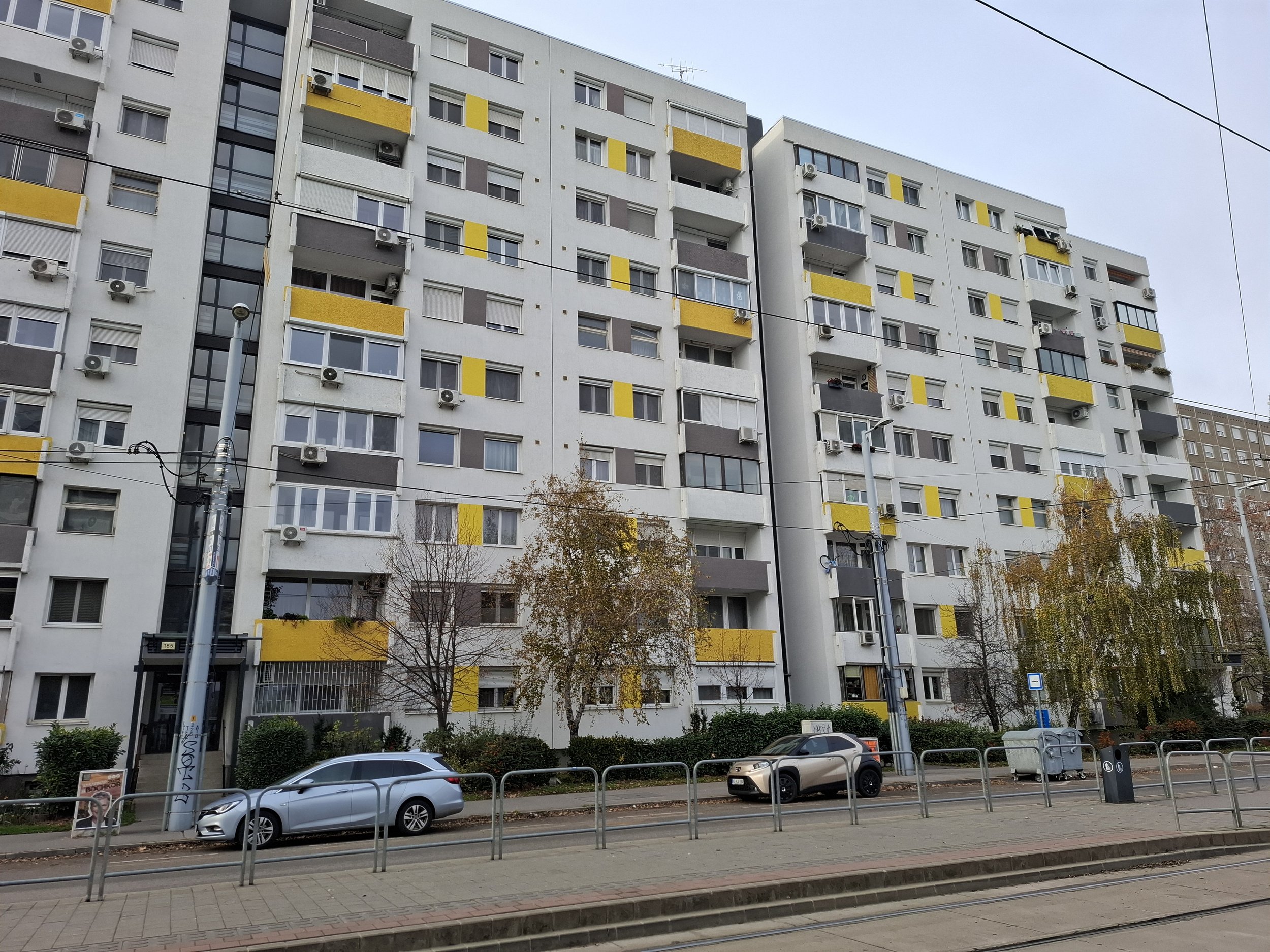
In other neighborhoods you will see buildings from the Soviet era with their distinctive brutalist architecture. The characteristically angular apartment blocks are scattered across the city. We will save you a rant about how all the post-communist states we have visited also have plentiful affordable housing, but if you know you know.
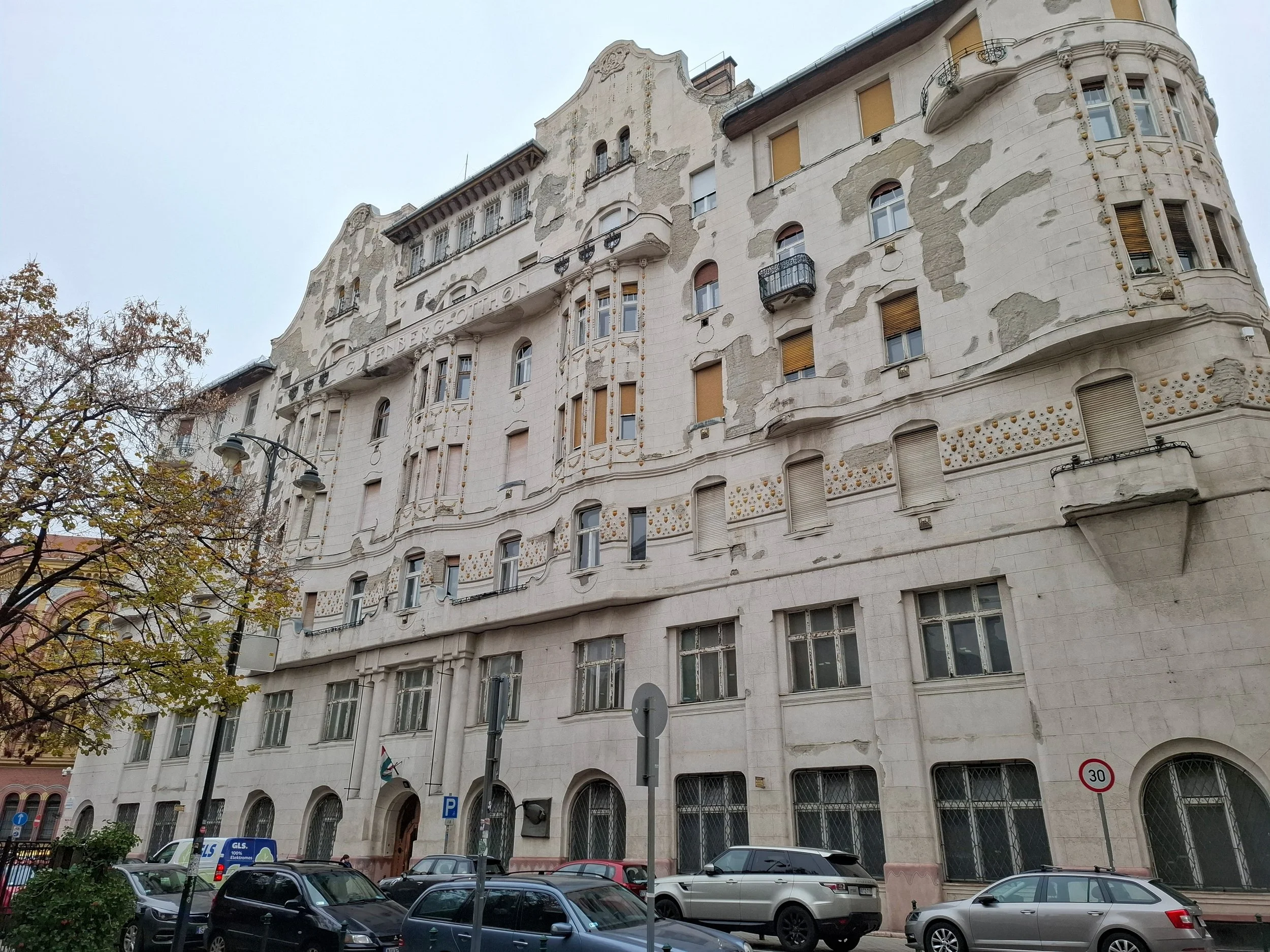

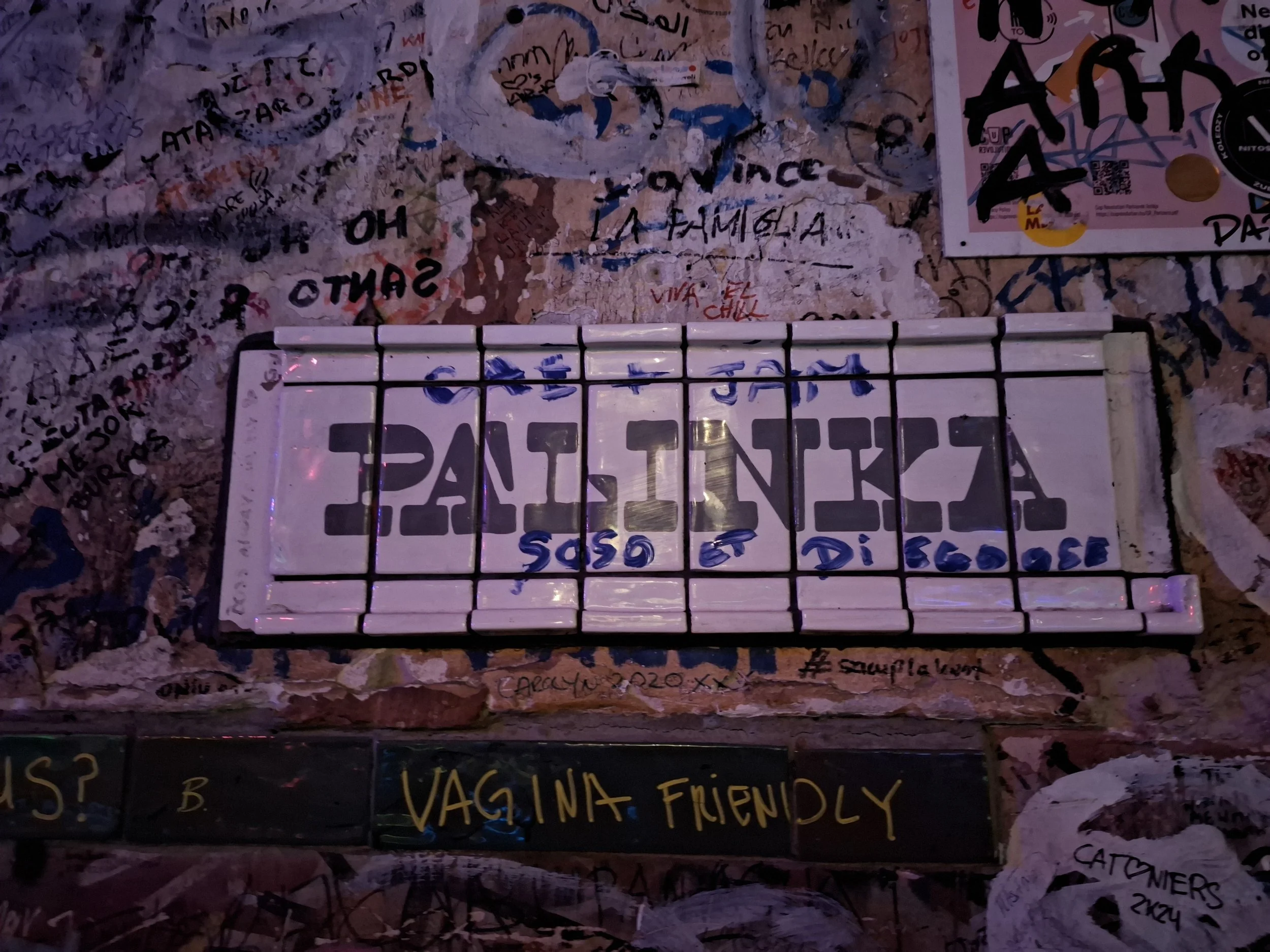
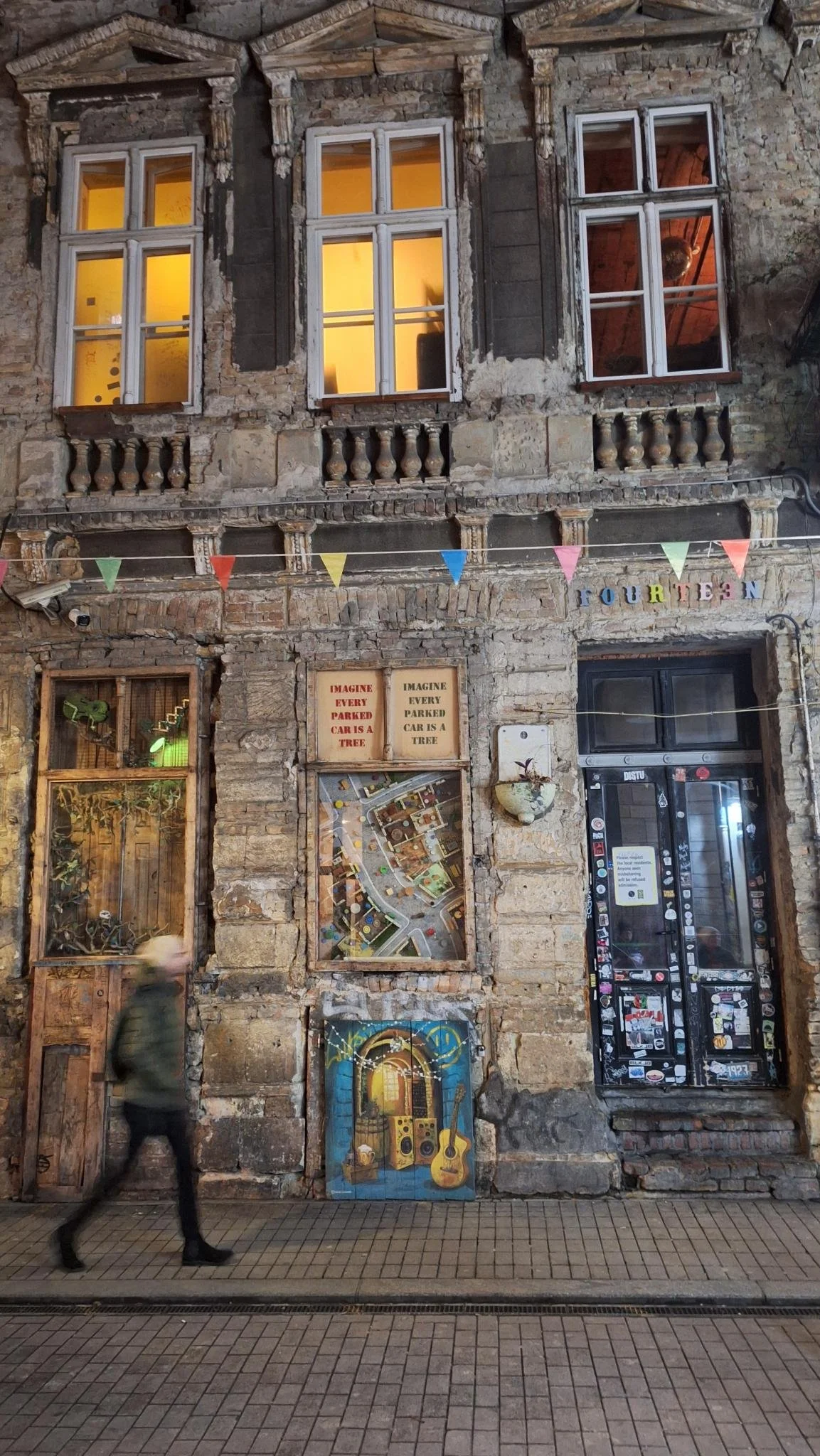
Perhaps the most interesting structures are the “Ruin Bars” scattered throughout the Jewish Quarter. A Ruin Bar is exactly what it sounds like. It is a cluster of dive bars tucked inside old, half-forgotten buildings where the scars of the last century are still visible. Instead of renovating these spaces, people leaned into their decay and filled them with whatever furniture, art, and lighting they could gather. For our Tacoma people, imagine if Bob’s Java Jive was on Antique Row but went on for an entire city block. The effect is a kind of deliberate scruffiness. You wander through courtyards and broken rooms that feel improvised but also strangely welcoming.
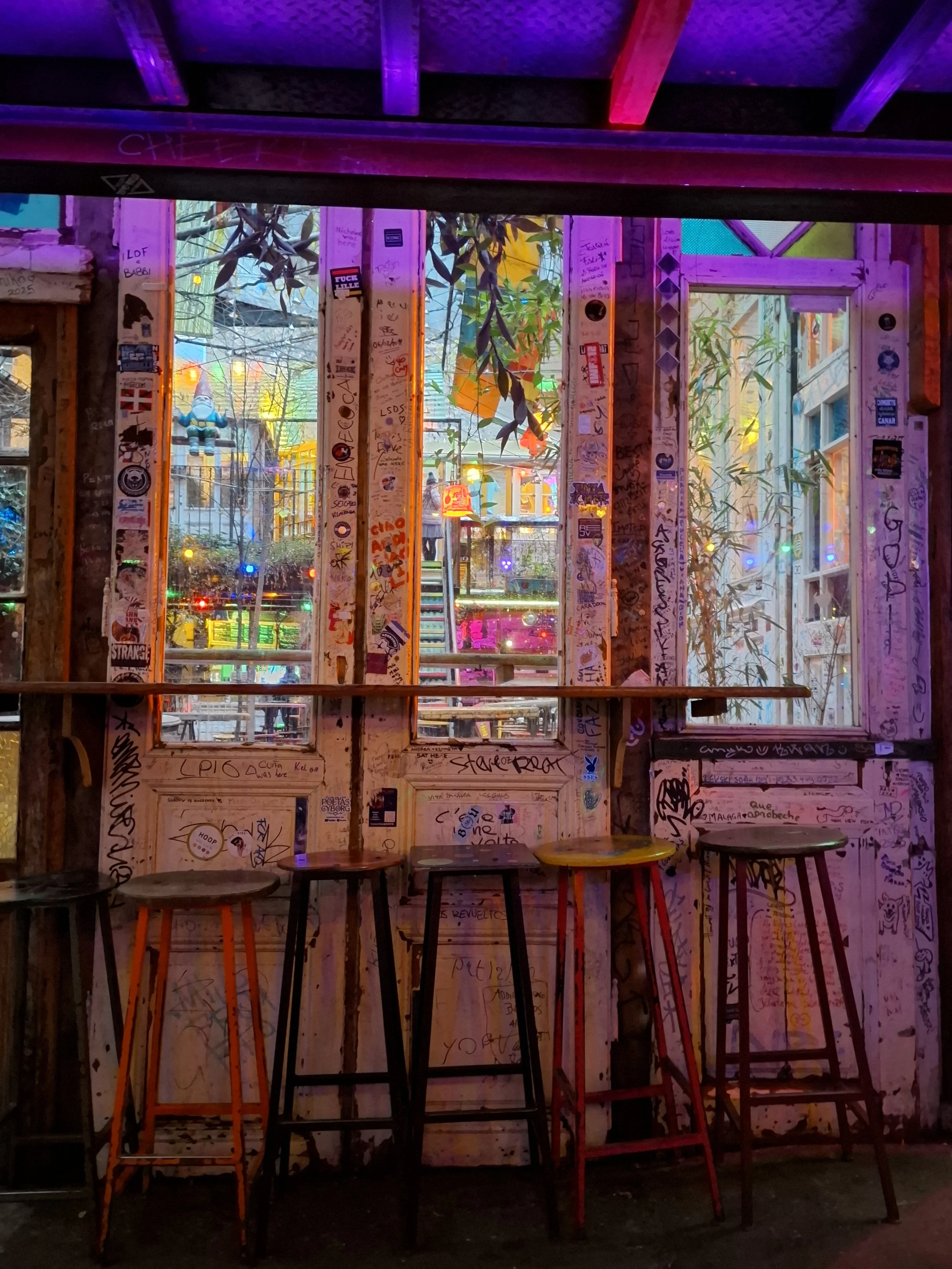
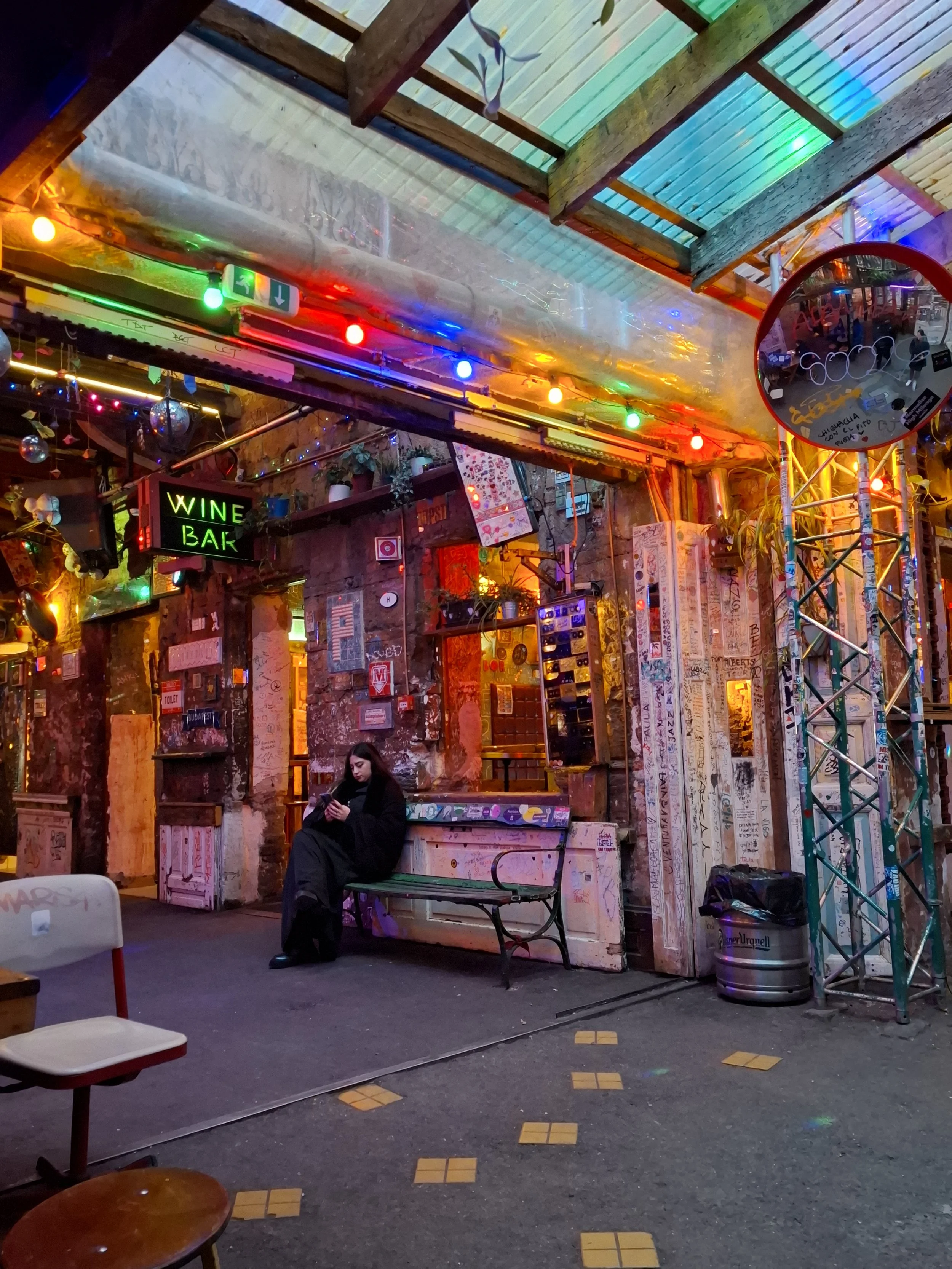
On our last night we found ourselves once again staring down bowls of paprikash we had no business ordering, talking through everything we had seen. Budapest passed the test. And if we are being honest, it probably earned a return trip.